Who We Are
Restore My Water Damage is a water damage restoration service focused on one job: helping property owners stop active water damage, dry their buildings correctly, and return to normal with clear records of what was done. We serve selected markets across 11 U.S. states, and we built this website to be as useful to someone standing in a flooded kitchen at midnight as it is to someone researching restoration before a problem ever happens.
Most people meet a restoration company on one of the worst days they will have as a homeowner or building manager. Water is on the floor, ceilings may be sagging, and questions about cost and insurance arrive all at once. Our goal is to make that experience less confusing by explaining each step before it happens, measuring instead of guessing, and documenting everything.
Restore My Water Damage was created for one moment: the minute you discover water where it should not be. Instead of searching, comparing and waiting for call-backs, you make one call and we connect you with an independent water damage restoration provider serving your ZIP code, any time of day or night.
What We Do
Water damage restoration is a broad field. Our work covers the stages most losses need, from the first emergency call to the point where the structure is dry and ready for rebuilding. Depending on the job and the local market, that may include:
- Emergency water damage response to stop ongoing damage and stabilize the property.
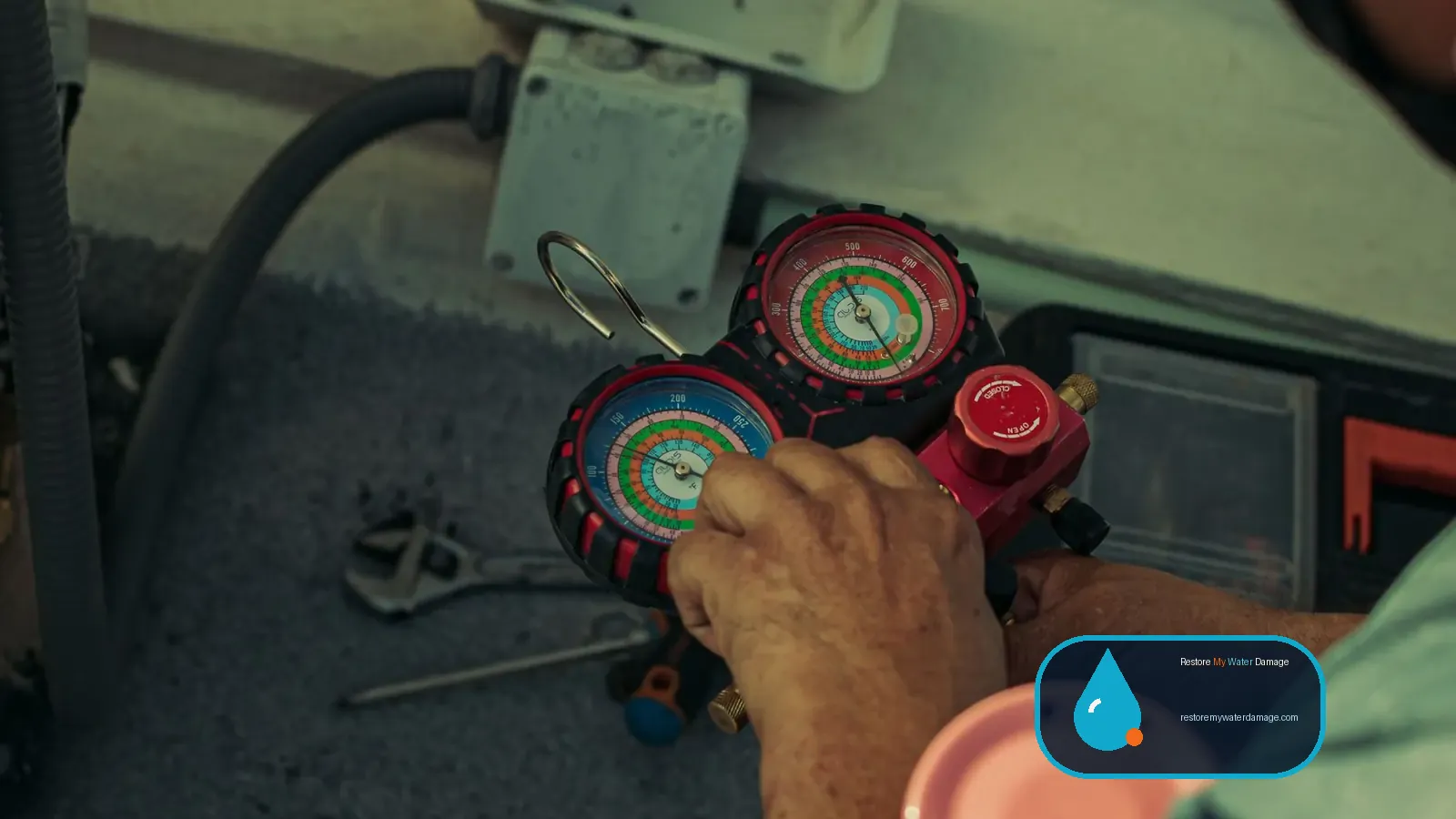
- Water extraction and structural drying using pumps, extractors, dehumidifiers, and air movers.
- Cleanup of affected contents and surfaces, including removal of materials that cannot be saved.
- Sewage backup cleanup and other contaminated-water losses that require stricter safety practices.
- Mold concerns connected to water damage, handled in line with recognized remediation guidance.
- Repair and restoration coordination once materials are dry.
We work on both residential properties and commercial buildings. Services available can vary by market, so the best way to confirm what applies to your address is to contact us or check the service area page.
Our Methodology
Restoration is part construction, part building science, and part project management. We follow a consistent method on every job so property owners know what to expect, and so results can be checked rather than taken on faith. The method is built on the published industry standards described on our standards page, especially the IICRC S500 Standard for Professional Water Damage Restoration.
1. Safety and source control
The first priority is making the site safe for people. That means checking for electrical hazards, structural concerns, and contamination before anyone begins moving water. The second priority is stopping the source: shutting off a supply valve, capping a broken line, or arranging temporary protection for a roof opening. Drying a building while water is still entering it wastes time and money.
2. Inspection and category assessment
Every loss is assessed for the category of water involved. Clean water from a supply line is handled differently from water that has picked up contaminants or from sewage. Our guide to water damage categories explains the differences in plain language. Category affects what can be dried in place, what must be removed, and what protective equipment workers need.
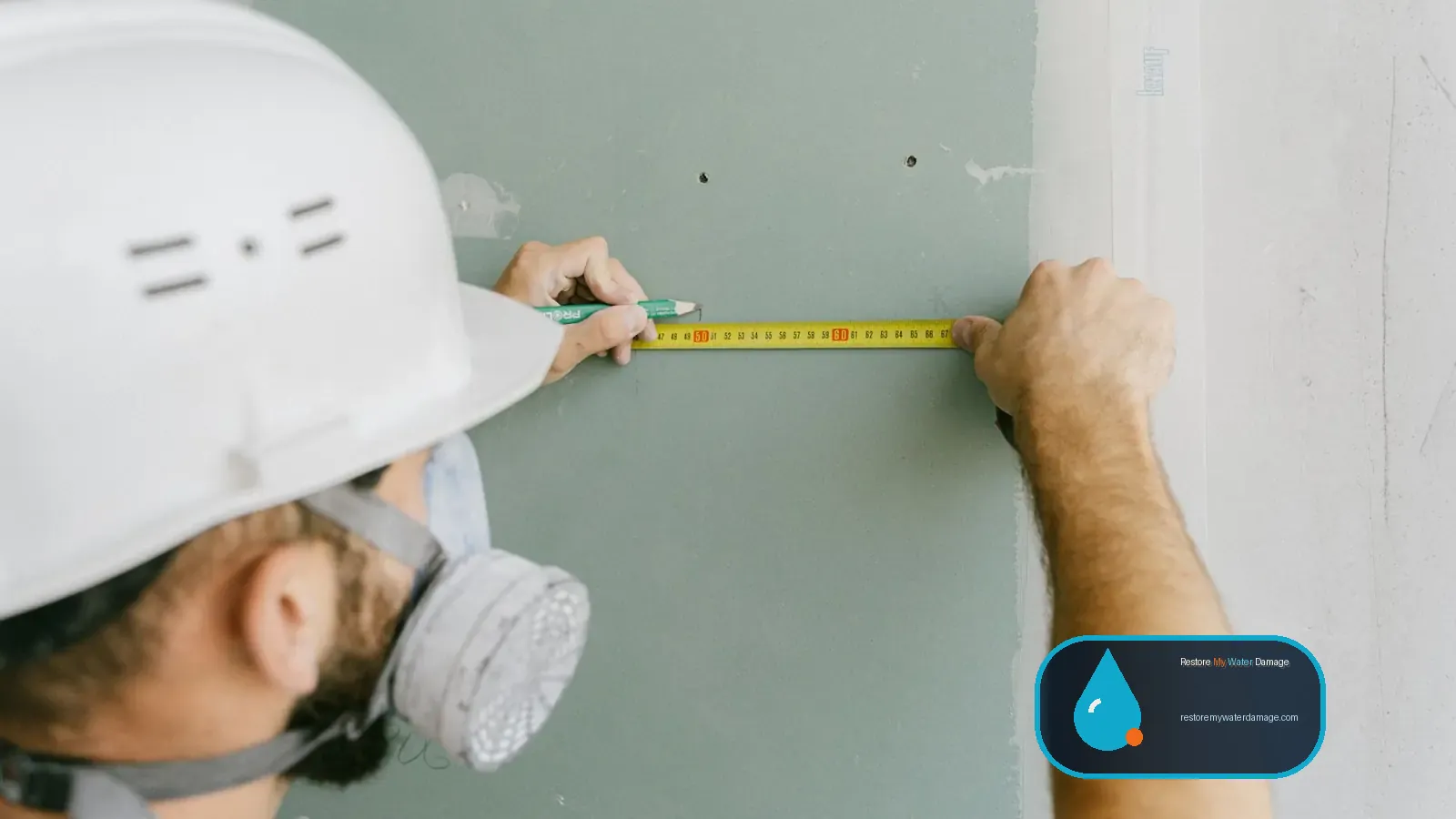
3. Moisture mapping
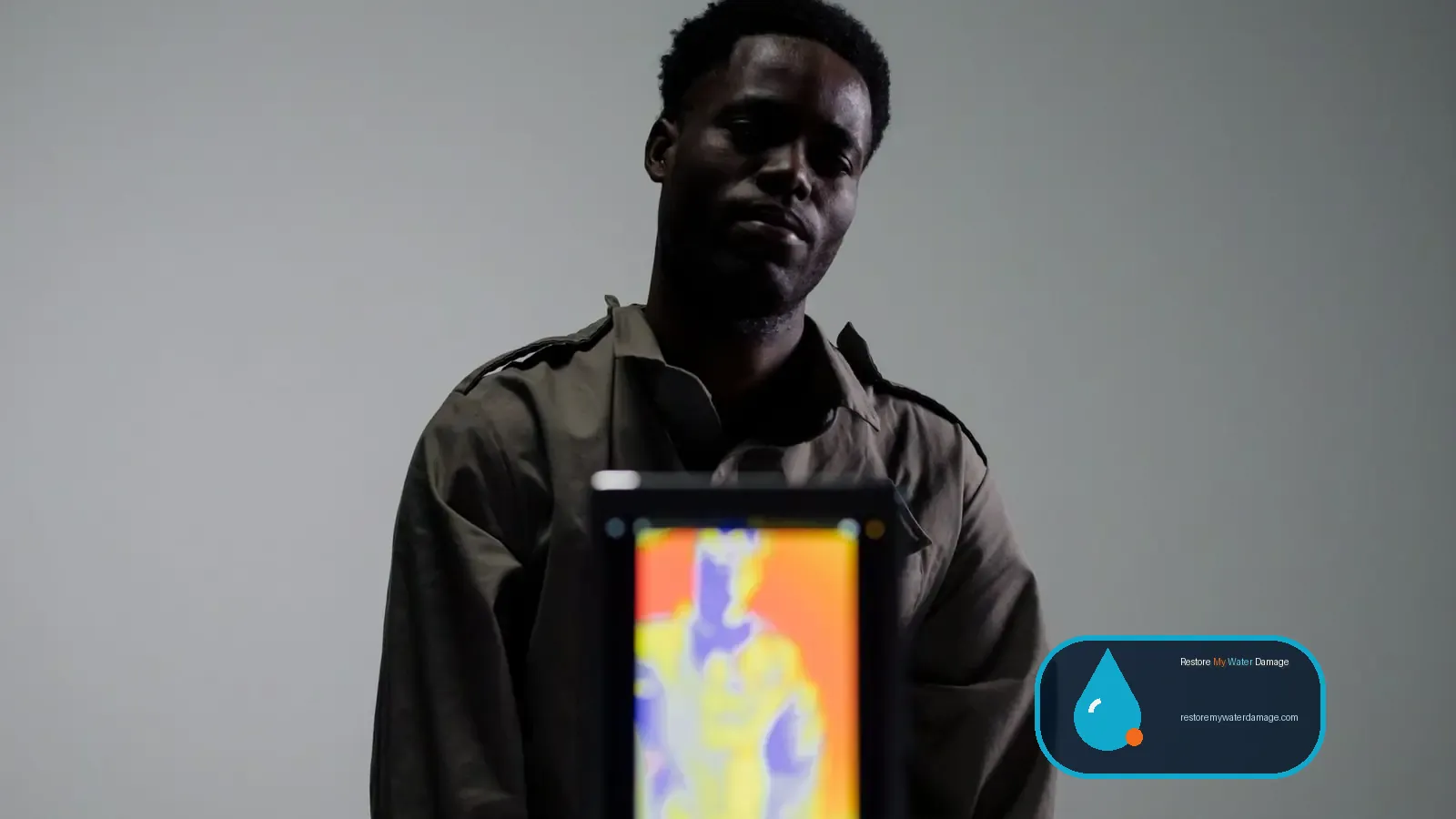
Water travels. It wicks up drywall, spreads under flooring, and runs along framing into rooms that look perfectly dry. We use moisture meters and, where useful, thermal imaging to find the boundaries of the wet area. Thermal cameras show temperature differences, not moisture directly, so any suspicious reading is confirmed with a meter before it goes on the map.
4. Extraction
Removing liquid water is far faster than evaporating it. Thorough extraction at the start shortens drying time and reduces the load on dehumidifiers. The equipment used depends on the surface and the amount of water; our equipment guide covers the common tools.
5. Controlled drying
Drying is not simply pointing fans at a wet wall. It is a balance of airflow, humidity control, and temperature. We set up a drying system based on the size of the affected area and the materials involved, then monitor it. Adjustments are made based on readings, not assumptions.
6. Daily monitoring
Each monitoring visit records moisture levels at the same points, plus temperature and relative humidity inside and outside the drying area. This creates a drying log that shows progress over time. If readings stall, the log makes it obvious and the setup is changed.
7. Verification and handoff
Equipment comes out when readings show materials have reached the drying goal, not when a calendar says so. At that point we provide the documentation and walk the owner through what was removed, what was dried in place, and what repairs remain. The full sequence is described in our restoration process guide.
How We Document Jobs
Documentation protects everyone. It helps insurers understand the loss, gives property owners a record for future buyers or lenders, and holds the restoration company accountable. Our standard job file is designed to include the following items.
| Record | What it contains | Why it matters |
|---|---|---|
| Initial photos and video | Conditions on arrival, the source, standing water, damaged contents | Shows the loss before any work changed the scene |
| Moisture map | A sketch of affected rooms with marked reading points | Defines the scope and lets progress be compared |
| Category and class notes | Water category, class of water loss, reasoning | Justifies removal decisions and safety measures |
| Drying log | Daily readings, temperature, relative humidity, equipment counts | Proves drying progress and completion |
| Removal records | Materials removed, measurements, photos before and after | Supports the scope and later rebuild estimates |
| Contents inventory | Items moved, cleaned, or discarded, with photos | Helps with contents claims and owner decisions |
| Completion report | Final readings and a summary of work performed | Confirms the structure met the drying goal |
If you are dealing with an insurance claim, these records line up with what adjusters commonly ask for. Our insurance claims guide explains how to use them, and the restoration checklist gives you a way to track them yourself.
Our Values
Values are easy to write and harder to practice. These are the ones we hold ourselves to because they change how a job actually goes.
Measure, don't guess
Every major decision on a water loss should be traceable to a reading, a photo, or a published standard. If we recommend removing a section of drywall or flooring, you should be able to see why.
Explain before acting
People make better decisions when they understand the options. Before work begins, we explain the plan, the likely scope, and what may change once walls or floors are opened. Surprises still happen in restoration, but they should be explained when they do.
Save what can reasonably be saved
Drying in place is often possible for clean water losses caught early. Removal is sometimes necessary, especially with contaminated water or long-standing damage. We aim to choose the approach that fits the conditions rather than defaulting to demolition or to drying at all costs.
Respect the property and the people
We treat a home as a home and a business as someone's livelihood. That includes protecting unaffected areas, keeping work zones tidy, and communicating clearly about schedules and noise from equipment.
Be honest about limits
Some damage cannot be fully reversed. Some items are not worth restoring. Some losses are not covered by insurance. We would rather tell you that early than let false hope drive decisions.
What We Claim and What We Don't
The restoration industry has a reputation problem with exaggerated marketing. We have made a deliberate choice about what this website says.
Things we will say
- We follow a documented process based on published industry standards.
- We provide job documentation to the property owner.
- We serve selected markets in 11 states, listed on the service areas page.
- We explain costs, scope, and insurance considerations openly, with general ranges in our cost guide.
Things we will not say without verification
- Guaranteed arrival times or response windows.
- Certifications, licenses, or awards that have not been confirmed for this business.
- Customer reviews or testimonials that cannot be traced to real customers.
- Promises that insurance will pay for a loss.
- Claims to be the best, largest, or cheapest option anywhere.
Verified business details will be added below as they are confirmed.
- Licensing, insurance and certifications are held by the independent restoration provider who performs your job. Ask for license numbers, proof of general liability and workers' compensation insurance, and IICRC training records before work begins.
- Licensing, insurance and certifications are held by the independent restoration provider who performs your job. Ask for license numbers, proof of general liability and workers' compensation insurance, and IICRC training records before work begins.
- Licensing, insurance and certifications are held by the independent restoration provider who performs your job. Ask for license numbers, proof of general liability and workers' compensation insurance, and IICRC training records before work begins.
Open 24 hours a day, 7 days a week. Water damage does not wait for business hours, and neither do we. Nights, weekends and holidays, a real person answers and starts getting help to your property.
Whoever you hire, ask for proof of licensing where your state requires it, proof of insurance, and a written scope. A reputable company will provide these without hesitation. Our guide on choosing a restoration company lists more questions to ask.
Our Team
Restoration work is done by people, and the quality of a job depends heavily on the technicians on site and the managers who review their readings. Good technicians know how to read a building, how to explain what they are seeing, and when a job needs a specialist such as a plumber, electrician, structural engineer, or industrial hygienist.
When you call, you reach people who handle water damage calls every day. They ask the right questions about the water source, affected rooms and safety, then route your request to a restoration provider who can respond at your address.
We also believe in knowing when to refer work out. Plumbing repairs, electrical work, roofing, and asbestos or lead abatement often require separately licensed trades. When a job involves those needs, we tell you so rather than taking on work outside the proper scope.
Where We Work
Our coverage is intentionally limited. Rather than claiming nationwide service, we focus on specific markets in California, Texas, Pennsylvania, New Jersey, North Carolina, Nevada, Oregon, Tennessee, South Carolina, Washington, and New York. Each state has its own water damage patterns, from freeze-related pipe bursts in the Northeast to monsoon flash floods in southern Nevada, and each has its own hub page:
 California,
  Texas,
  Pennsylvania,
  New Jersey
 North Carolina,
  South Carolina,
  Tennessee
 Nevada,
  Oregon,
  Washington,
  New York
You can check whether your ZIP code falls within coverage on the service areas page.
How This Website Is Written
The guides on this site are written to be useful whether or not you ever call us. They explain the restoration process, typical cost drivers, insurance basics, and prevention. We avoid invented statistics and point readers to authoritative public sources such as FEMA, the National Flood Insurance Program, the EPA, and state insurance departments. The resources hub gathers all of it in one place.
Information on this site is general in nature. Building codes, licensing rules, and insurance policies vary by state and by policy. When a decision has legal, medical, or financial consequences, confirm the details with the relevant professional or agency.
Getting in Touch
If you have active water damage, call (833) 435-4276. For non-urgent questions, email [email protected] or use the contact page, which explains what information helps us assess your situation quickly. If you are still gathering your bearings, start with what to do after a water leak.
Frequently Asked Questions
Does Restore My Water Damage work with my insurance company?
We can provide the documentation insurers typically request, including moisture readings, photos, drying logs, and itemized scopes. Coverage decisions are always made by your insurer under the terms of your policy, so we cannot promise that any loss will be paid. We encourage you to contact your insurer early and review your policy language before work begins whenever that is safely possible.
Why doesn't this page list awards or years in business?
We only publish business facts that can be verified. Rather than filling this page with unverifiable badges, we explain our process and documentation practices in detail. Where specific details such as license numbers or company history belong, they will be added once confirmed, and you are always welcome to ask for proof of licensing and insurance before hiring anyone.
How do I know the drying is actually finished?
Drying is complete when moisture readings in affected materials reach the dry standard established from unaffected reference materials in the same building. We record readings at consistent points on each visit and share the log with you. Equipment should not be removed simply because a set number of days has passed; the readings decide.
Can I get copies of the job documentation?
Yes. Property owners should receive copies of photos, moisture maps, drying logs, and the final scope of work. These records help with insurance claims, future property sales, and warranty questions. Ask for them at the start of the job so there is no confusion about what will be delivered at the end.
What does Restore My Water Damage actually do when I call?
When you call, a real person answers 24/7, gathers the basics about your water damage, such as the source, affected rooms and whether water is still spreading, and passes your request to an independent third-party restoration provider serving your area. That provider inspects, quotes and performs the work. We do not do the extraction or drying ourselves, which is why we are clear about the role we play. Call (833) 435-4276 24/7 and we'll connect you with local help.
Is Restore My Water Damage a water damage restoration company?
No. We are a connection service. The independent restoration providers we refer requests to are the ones who hold any required licenses, carry their own insurance, set pricing and do the hands-on work. Before work begins, ask the provider for proof of license where your state requires it, proof of insurance, and a written scope so you know exactly who is responsible for your job.
Who sets the price for my water damage restoration job?
The independent provider who inspects your property sets the price, not us. Costs depend on the water category, square footage, materials affected and how long drying takes. Nationally, typical water damage restoration jobs often range from roughly $1,300 to $6,000, with small leaks lower and large or contaminated losses higher. Ask for an itemized estimate before signing so there are no surprises.
Does it cost anything to call Restore My Water Damage?
Calling is free and there is no obligation to hire anyone. We simply take your details and connect you with an independent provider. Any inspection fees, emergency service charges or restoration costs come from that provider, so ask about them up front during the first conversation. If you decide not to move forward, you are not locked in. Call (833) 435-4276 24/7 and we'll connect you with local help.
How fast will someone come out after I call?
Response time depends on the provider's availability, your location, the time of day and local demand after storms. We cannot promise a specific arrival time, but we pass requests along right away because water keeps spreading and mold can start within 24 to 48 hours. While you wait, stop the water source if it is safe and move valuables out of wet areas. Call (833) 435-4276 24/7 and we'll connect you with local help.
Can Restore My Water Damage help with commercial water damage?
Yes, you can call about offices, retail spaces, rental units and other commercial properties as well as homes. We connect you with independent providers that handle commercial losses, which often involve larger drying setups, after-hours scheduling and coordination with property managers or tenants. Confirm the provider's commercial experience, insurance and documentation practices before authorizing work. Call (833) 435-4276 24/7 and we'll connect you with local help.
What should I ask the restoration provider before they start work?
Ask whether they follow the IICRC S500 water damage standard, whether they will take daily moisture readings, and how they document the job for insurance. Request proof of any required license and liability insurance, an itemized written estimate, and an explanation of what will be removed versus dried in place. Also ask who to contact if drying stalls or problems appear later.
Can I choose my own contractor instead of the one I'm connected with?
Absolutely. In most states you have the right to pick your own restoration contractor, even if your insurer suggests one. Being connected through our line never obligates you to hire that provider. Compare scope, pricing and communication, and pick the company you trust. What matters most is that drying starts quickly and is verified with moisture readings.