Request water damage help
How to Reach Us
There are three ways to contact Restore My Water Damage. Choose the one that fits how urgent your situation is.
| Method | Best for | Details |
|---|---|---|
| Phone | Active leaks, standing water, sewage, ceiling or storm damage | (833) 435-4276 |
| Request form | Water that has stopped, older damage, estimates, planning | Use the form on this page |
| Documents, photos, follow-up questions, records requests | [email protected] |
Open 24 hours a day, 7 days a week. Water damage does not wait for business hours, and neither do we. Nights, weekends and holidays, a real person answers and starts getting help to your property.
What to Tell Us When You Call
A few minutes of clear information helps us understand the loss, send the right equipment, and give you useful guidance before anyone arrives. You do not need all of these answers, but the more you can share, the better.
The basics
- Your name and a callback number, in case the call drops.
- The property address and ZIP code, so we can confirm coverage.
- Property type: single-family home, condo, apartment, townhouse, or commercial building.
- Whether you own or rent. Renters should also notify the landlord or property manager, who usually controls repairs to the building itself.
The water
- Where it came from, if known: a supply line, water heater, toilet, dishwasher, washing machine, roof, window, groundwater, or sewer.
- Whether it is still flowing. If yes, tell us whether you have found the main shutoff.
- What the water looks and smells like. Clear water, discolored water, and sewage are handled very differently. See water damage categories explained.
- When it started, or when it was discovered. Time matters because materials absorb more water and microbial growth becomes a concern the longer they stay wet.
The damage
- Rooms and floors affected, including any water that has moved to a lower level.
- Flooring types: carpet, hardwood, laminate, vinyl, tile, or bare concrete.
- Visible wall or ceiling damage, such as staining, bubbling paint, or sagging drywall.
- Approximate depth of any standing water.
- Special concerns: a basement, crawl space, finished lower level, or a home built before 1978, which can affect how materials are disturbed.
Insurance
- Whether you plan to file a claim and whether you have already contacted your insurer.
- Your claim number, if you have one. You can send it later by email.
What Happens Next
Once you reach out, the process generally follows these steps. Exact timing depends on location, conditions, and demand in your area, so we will not promise a specific arrival window here.
- Intake conversation. We confirm your address is in a covered area and gather details about the source, extent, and category of water.
- Immediate guidance. We help you with safe steps you can take now, such as locating the shutoff valve or moving valuables.
- Scheduling. We arrange a visit and let you know who to expect.
- On-site inspection. A technician checks safety, identifies the source, assesses the water category, and maps moisture with meters.
- Plan and authorization. We explain the recommended scope and get your written authorization before mitigation begins.
- Mitigation. Extraction, removal of unsalvageable materials if needed, and drying equipment setup.
- Monitoring. Regular readings recorded in a drying log until materials reach the drying goal.
- Completion and documentation. Equipment is removed and you receive photos, readings, and a summary of the work.
For a deeper look at each phase, read the water damage restoration process guide.
Request Form Fields Explained
The request form asks for specific information. Here is why each field is there and how to answer it.
| Field | What to enter | Why we ask |
|---|---|---|
| Full name | The person we should speak with about the property | So we know who can authorize work |
| Phone | A number you will answer today | Water losses move fast; email alone can be too slow |
| Where you want documents and updates sent | For photos, estimates, and records | |
| ZIP code | The ZIP of the damaged property, not your mailing address | Confirms service coverage |
| Property type | Home, condo, rental, or commercial | Affects access, permissions, and scope |
| Water source | Your best guess, or "unknown" | Helps estimate water category and equipment needs |
| Is water still active? | Yes, no, or not sure | Active water should be handled by phone |
| When did it start? | Date and approximate time, if known | Duration affects drying and removal decisions |
| Areas affected | Rooms, levels, and approximate size | Helps plan equipment and crew |
| Insurance claim? | Yes, no, or undecided, plus claim number if available | So documentation is prepared with the claim in mind |
| Photos (optional) | Wide shots of each room plus close-ups of damage | Gives an early picture of the loss |
| Message | Anything else we should know | Access instructions, pets, health concerns, deadlines |
Please do not include payment card numbers, Social Security numbers, or full insurance policy documents in the form. We will ask for anything required through an appropriate channel.
Taking useful photos
If it is safe to do so, photos taken before any cleanup help both us and your insurer. Take a wide photo from the doorway of each affected room, then close-ups of the source, the waterline on walls, damaged flooring, and damaged belongings. Turn on timestamps if your phone supports them. A short video walking through the space is also helpful.
Safety-First Steps While You Wait
These steps are general guidance. Only do what you can do safely. If anything feels risky, stop and wait for help.
Do these if safe
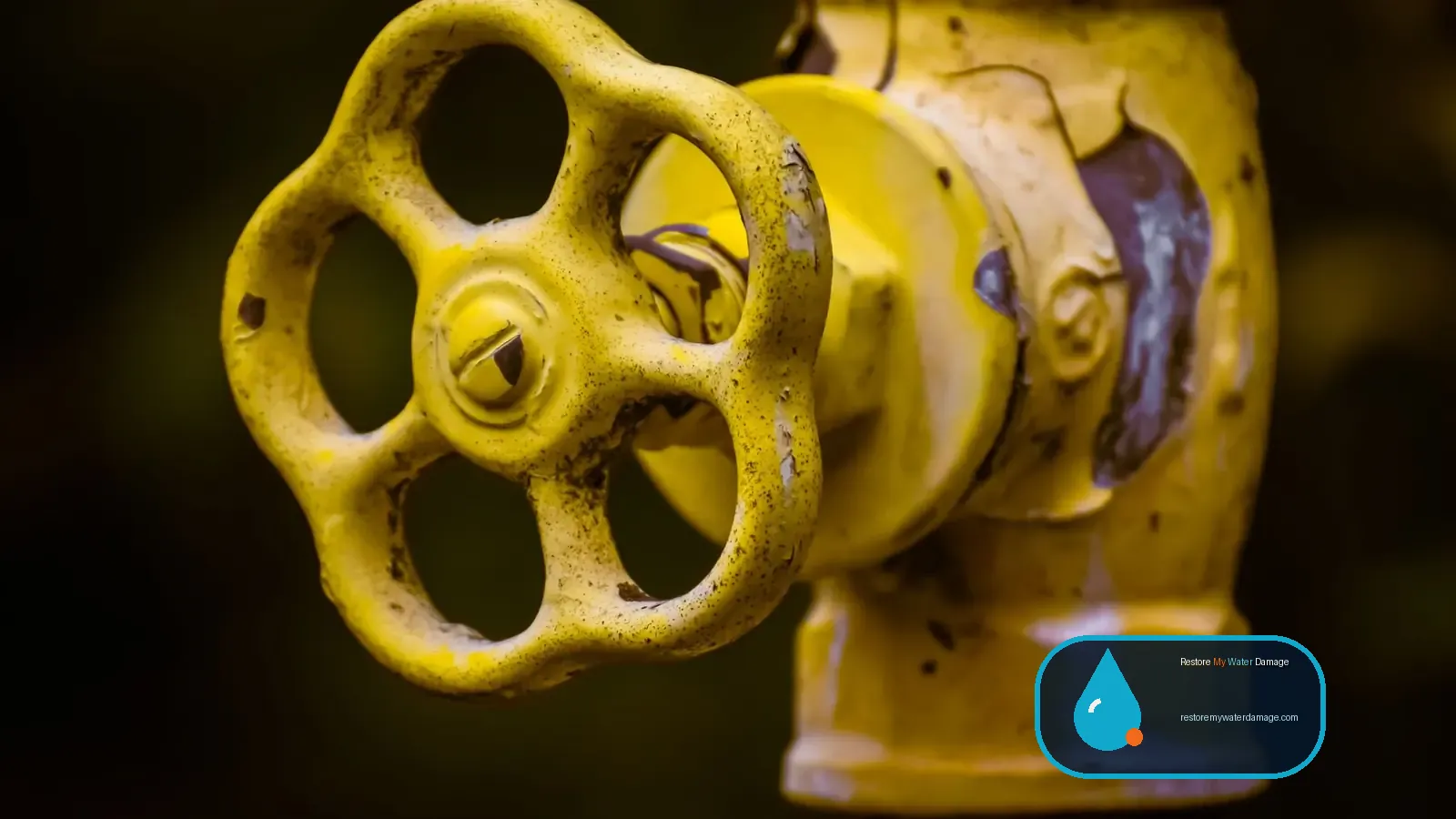
- Shut off the water source. Close the fixture valve or the main shutoff, usually near the water meter, where the main line enters the building, or in a garage or basement.
- Turn off power to affected areas at the breaker panel only if you can reach the panel without standing in water.
- Move valuables and electronics to a dry area, starting with irreplaceable items like photos and documents.
- Lift furniture off wet carpet using foil squares, plastic blocks, or wood blocks to prevent staining.
- Remove rugs from wet floors and hang them elsewhere if they are clean-water affected.
- Blot small amounts of clean water with towels.
- Open interior doors and cabinets to help air circulate, and run air conditioning if the power is safe and the weather allows.
- Document everything with photos and keep receipts for anything you buy.
Do not do these
- Do not enter rooms with standing water if the power is still on.
- Do not use a household vacuum to pick up water.
- Do not touch sewage or floodwater without gloves, boots, and eye protection; ideally, avoid contact entirely.
- Do not turn on ceiling fixtures or fans if the ceiling is wet.
- Do not stand under a sagging ceiling or try to puncture it yourself.
- Do not throw away damaged items before documenting them, unless they create a health hazard.
- Do not sand, scrape, or cut painted surfaces in a pre-1978 building, which may contain lead-based paint.
Common Situations and How to Describe Them
People often are not sure how to describe what they are seeing. These examples show what information is most useful for common types of water damage.
Burst or leaking pipe
Tell us where the pipe is, such as under a sink, in a ceiling, in a crawl space, or inside a wall, and whether you have shut off the water. Mention whether the leak happened during freezing weather, because freeze breaks often involve more than one location. Let us know if water has reached a lower floor or ceiling below. Our burst pipe cleanup page explains the typical response.
Appliance or water heater leak
Name the appliance and roughly how old it is. For a water heater, tell us whether it is gas or electric and where it is located, since attic and closet units can cause more damage than garage units. If you have turned off the water supply or power to the unit, tell us that too.
Roof or storm leak
Describe where water is entering, whether there is visible damage to the roof such as a fallen tree or missing shingles, and whether rain is still falling. Do not climb onto a roof during or immediately after a storm. We will discuss temporary protection options. See storm and rain water damage.
Basement flooding
Tell us how deep the water is, whether it is still rising, whether your sump pump is running, and whether water came up through a floor drain. Water coming from a floor drain may be a sewer backup, which changes safety precautions. Our basement water damage restoration page covers the details.
Sewage backup
Let us know which fixtures are affected, such as toilets, tubs, or floor drains, and whether anyone has had contact with the water. Keep people and pets out of the area and avoid running water or flushing toilets until the cause is identified.
Old or hidden damage
If you have found staining, soft flooring, a musty smell, or visible mold without an obvious active leak, tell us how long you have noticed it and whether any past leaks occurred nearby. These situations are usually not emergencies, but they still deserve an inspection. See mold and water damage.
Commercial properties
For businesses, tell us about operating hours, tenants or occupants affected, sensitive equipment or inventory, and who has authority to approve work. Building access instructions and after-hours contacts are especially helpful. Learn more on our commercial water damage restoration page.
Service Area Note
Restore My Water Damage serves selected markets in 11 states: California, Texas, Pennsylvania, New Jersey, North Carolina, Nevada, Oregon, Tennessee, South Carolina, Washington, and New York. Coverage is limited to specific ZIP codes within those states. It is not statewide.
Before submitting a request, you can check your ZIP code on the service areas page. If your property is outside our coverage, we would rather tell you that immediately so you can find help elsewhere without delay. Our guide on how to choose a water damage restoration company can help you evaluate other providers.
State-specific information is available on each hub page:  California,
  Texas,
  Pennsylvania,
  New Jersey,
  North Carolina,
  Nevada,
  Oregon,
  Tennessee,
  South Carolina,
  Washington, and
  New York.
Insurance and Billing Questions
Many water damage jobs involve insurance. We can prepare documentation that insurers commonly request, but your insurer decides coverage under the terms of your policy. Common questions include whether a sudden pipe burst is covered, whether gradual leaks are excluded, and whether flood damage requires a separate flood policy. Our insurance claims guide walks through these topics.
For cost expectations, see the water damage restoration cost guide. Payment terms and accepted payment methods will be explained in writing before work begins.
Payment and insurance billing: payment methods, deposits and direct insurance billing are set by the provider who does the work. Many restoration providers work directly with insurance adjusters, so you may only owe your deductible. Ask about this on your first call.
Non-Urgent Questions and Records Requests
If you are a past customer requesting copies of photos, drying logs, or completion reports, email [email protected] with the property address and approximate job dates. If you are a property manager planning ahead, or a homeowner researching prevention, you may find answers in the resources hub or the water damage restoration FAQs.
For information about how we work and what we document, visit the about page and the standards page.
Frequently Asked Questions
Should I call or use the form?
Call if water is actively flowing, if there is standing water, or if contaminated water such as sewage is involved. Those situations get worse by the hour, and a phone conversation lets us ask follow-up questions right away. Use the form or email for older damage, planning questions, documentation requests, or situations where the water has already been stopped and cleaned up.
Will you give me a price over the phone?
We can explain the factors that drive cost and share general ranges, but an accurate estimate requires seeing the affected area and taking moisture readings. Water often spreads beyond what is visible, so phone quotes based on photos alone tend to be unreliable. Our cost guide explains the main pricing variables in detail.
Do you serve my area?
We serve selected markets in 11 states: California, Texas, Pennsylvania, New Jersey, North Carolina, Nevada, Oregon, Tennessee, South Carolina, Washington, and New York. Coverage within each state is limited to specific ZIP codes. Check the service areas page before submitting, or include your ZIP code in the form so we can confirm.
Should I contact my insurance company before calling you?
You can do both. Most policies require prompt notice of a loss and reasonable steps to prevent further damage, so stopping the water and starting mitigation should not wait on a callback. Take photos first, keep receipts, and notify your insurer as soon as practical. Review your policy for specific reporting requirements.
What information should I have ready when I request water damage help?
Have your address, the source of the water if known, when it started, which rooms and materials are wet, and whether the water is clean, gray or sewage. Mention if the water is still flowing, if electricity is near the water, and whether you plan to file an insurance claim. Photos help too. This lets an independent local provider understand the job and plan equipment before arriving. Call (833) 435-4276 24/7 and we'll connect you with local help.
Can I request water damage help at night or on a weekend?
Yes. Our phone line is answered 24/7, including nights, weekends and holidays, because leaks and floods rarely happen at convenient times. Your request is passed to independent restoration providers serving your area, and availability and response times depend on those local providers and current demand. Waiting until Monday can let water wick into walls and raise mold risk within 24 to 48 hours. Call (833) 435-4276 24/7 and we'll connect you with local help.
What should I do while I wait for a water damage restoration crew?
Stop the water at the main shutoff if you can, and turn off power to wet areas only if it is safe to reach the panel. Move valuables, electronics and rugs to dry spots, place foil under furniture legs, and photograph everything for insurance. Avoid using a household vacuum on standing water and stay out of rooms with sagging ceilings or sewage.
Is there a cost to request water damage help through Restore My Water Damage?
Calling or submitting a request is free, and there is no obligation. We pass your request to independent third-party restoration providers, who hold their own licenses and set their own pricing. Any inspection fee, estimate or service charge comes from the provider you choose, so ask them to explain costs and get the scope in writing before signing a work authorization.
Who will actually come out after I request water damage help?
An independent local restoration provider, not Restore My Water Damage staff, handles the inspection and work. We connect you with third-party companies that serve your area. Before work starts, ask the provider about their licensing where required, insurance, IICRC-trained technicians, how they document moisture readings, and how they bill. You are free to decide whether to hire them. Call (833) 435-4276 24/7 and we'll connect you with local help.