
Nevada markets we serve
Our Nevada coverage includes 128 ZIP codes grouped into 4 local markets. Each market page lists every ZIP code and city it covers.
LSLas Vegas
78 ZIP codes · Blue Diamond, Jean, Las Vegas, Sloan…
HEHenderson
14 ZIP codes · Boulder City, Henderson…
NLNorth Las Vegas
11 ZIP codes · Nellis Afb, North Las Vegas…
PAPahrump / Rural Clark County
25 ZIP codes · Amargosa Valley, Beatty, Bunkerville, Cal Nev Ari…
Water Damage in Nevada: An Overview
Southern Nevada is one of the driest metropolitan regions in the United States, which surprises people who learn how common water damage is there. The explanation is simple: most water damage starts inside the building. Pressurized plumbing, water heaters, appliances, and air conditioning systems do not care about outdoor rainfall. On top of that, the Las Vegas valley's hard water can shorten the life of plumbing components, and summer monsoon storms can produce sudden, dangerous flash floods.
Restore My Water Damage serves selected markets in the Las Vegas valley in Clark County and parts of Nye County. This page explains Nevada-specific risk drivers, building features, insurance context, and what to do after a loss. Our Nevada markets appear below.
Nevada Water Damage Risk Drivers
Monsoon flash floods
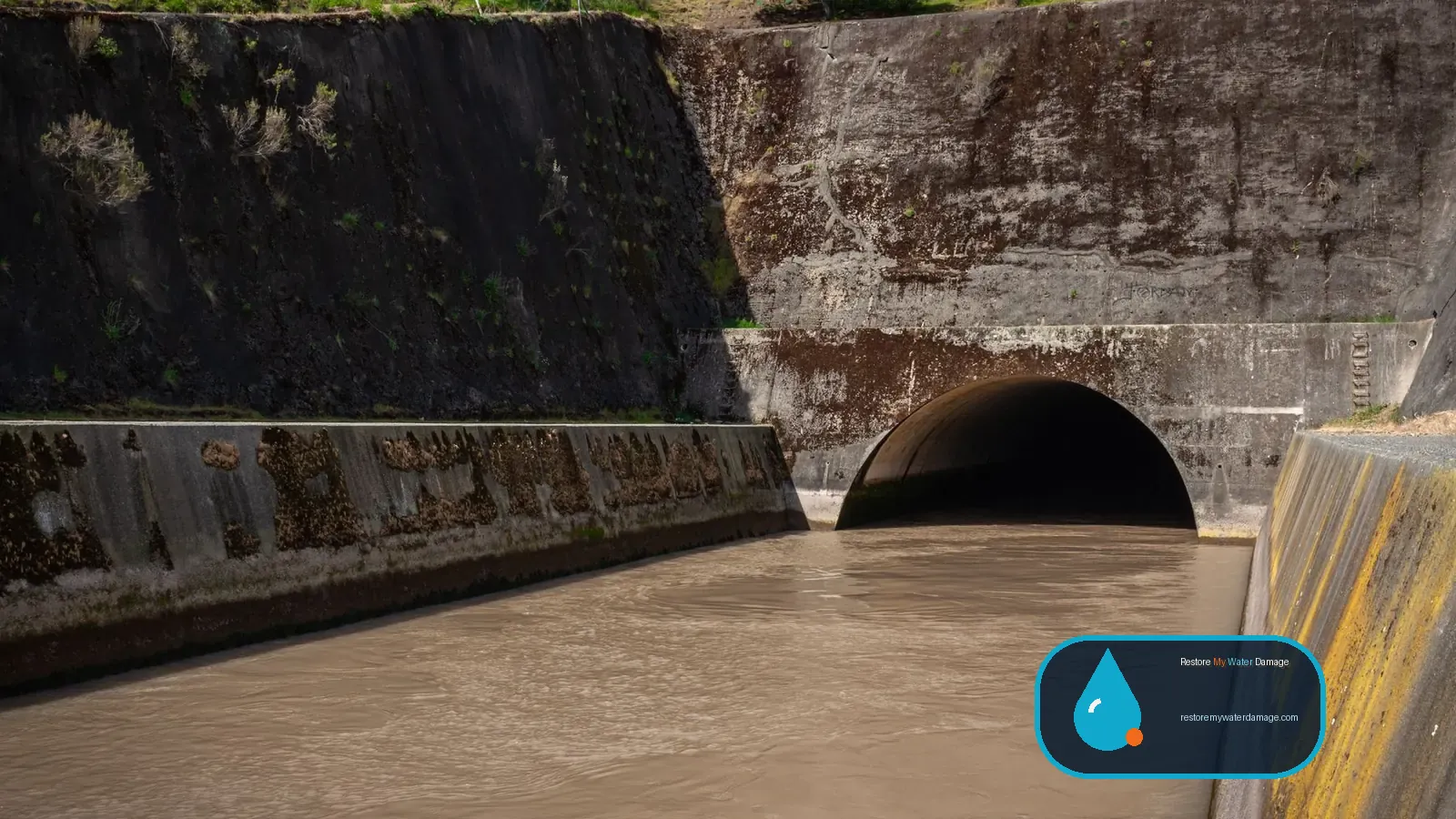
From roughly July through September, the North American Monsoon brings moisture into the Desert Southwest. In the Las Vegas valley, this can produce powerful thunderstorms that drop heavy rain in a short time. Desert soils, rock, and urban pavement shed water quickly, so runoff concentrates in washes, streets, and low areas. Flash flooding can occur with little warning, sometimes in areas where it is not raining at all because runoff flows down from the surrounding mountains.
The Clark County Regional Flood Control District has built an extensive system of flood channels and detention basins to manage this runoff. Even so, homes near washes, at the bottom of slopes, or with poor lot drainage can take on water. Floodwater should be treated as contaminated. See flood damage restoration.
Hard water and supply line failures
Las Vegas water comes largely from the Colorado River via Lake Mead and has high mineral content. Hard water leaves scale in pipes, fixtures, and appliances. Over time, this can contribute to:
- Failed toilet fill valves and supply lines.
- Faucet and shutoff valve leaks.
- Sediment buildup in water heaters that can shorten tank life.
- Ice maker and dishwasher connection failures.
- Washing machine hose leaks.
Supply line failures are among the most common sources of sudden indoor water damage. A burst line under a sink or behind a toilet can release a large volume of water quickly, especially if no one is home. See burst pipe water damage cleanup.
Air conditioning condensate
Air conditioning in southern Nevada runs hard for months. Even in a dry climate, AC systems produce condensate, and clogged drain lines, cracked pans, and failed float switches can let water overflow. Many homes have air handlers in attics or closets, so condensate leaks often show up as ceiling stains or wet carpet near HVAC closets. Evaporative coolers, where used, add their own water supply and leak risks.
Water heaters in garages and attics
Water heaters in the valley are commonly located in garages, and in some homes in attics or interior closets. Hard water sediment can accelerate wear. A failed tank in an attic or interior closet can cause significant damage to ceilings, walls, and flooring.
Roof leaks during rare heavy rain
Many Las Vegas homes have concrete or clay tile roofs. Tile itself is durable, but the underlayment beneath it does the waterproofing, and it can deteriorate under intense sun and heat. Because rain is infrequent, underlayment problems may go unnoticed until a monsoon storm arrives. Flat roof sections, parapets, and roof-mounted equipment are other common leak points.
Occasional freezes
Winter nights in the Las Vegas valley occasionally drop below freezing, and higher-elevation areas, including parts of Nye County such as the Pahrump valley, can see more frequent freezes. Exposed pipes, outdoor irrigation components, pool equipment, and backflow preventers can freeze and crack.
Nevada Housing Features That Affect Water Damage
| Feature | Water damage implication |
|---|---|
| Slab-on-grade foundations | Leaks spread under flooring; slab leaks can go unnoticed |
| Tile roofs with underlayment | Underlayment degradation leads to leaks during rare heavy rain |
| Attic and closet HVAC air handlers | Condensate overflow into ceilings and walls |
| Garage and attic water heaters | Tank failures; attic locations cause severe ceiling damage |
| Stucco exteriors | Cracks can allow wind-driven rain behind walls |
| Two-story tract homes | Upstairs bathroom and laundry leaks damage ceilings below |
| Condominiums and high-rise residences | Leaks affect neighboring units; association policies apply |
| Irrigation and pools | Leaks can saturate soil near foundations |
Why drying in the desert is still a professional job
Low outdoor humidity helps, but it does not dry water trapped inside wall cavities, under cabinets, beneath tile and wood flooring, or in insulation. Air conditioning also changes indoor conditions. Materials still need to be measured with moisture meters and dried to a verified goal. Our structural drying page explains how this works.
Nevada Seasonal Water Damage Risk (Las Vegas Valley)
| Season | Primary risks | Suggested actions |
|---|---|---|
| Winter (Dec to Feb) | Occasional freezes, winter storms, exposed pipe and irrigation breaks | Insulate exposed pipes and backflow devices, protect pool equipment |
| Spring (Mar to May) | AC startup and condensate issues, wind | Service AC, clear condensate lines, check roof after windstorms |
| Early summer (Jun) | Extreme heat, heavy AC use, water heater stress | Check drain pans and float switches |
| Monsoon (Jul to Sep) | Flash floods, roof leaks, runoff into homes near washes | Clear roof drains and yard drainage, avoid washes and flooded roads |
| Fall (Oct to Nov) | Lingering storm damage, occasional rain | Inspect roof underlayment and flashing |
| Year-round | Supply line, toilet, and water heater failures from hard water wear | Replace aging hoses, flush water heater, consider leak detectors |

Nevada Insurance Context
Nevada Division of Insurance
The Nevada Division of Insurance regulates insurance companies in Nevada. It provides consumer resources and handles complaints about insurers. If you have concerns about your claim or policy, the division is the state agency to contact.
Flood insurance
Standard homeowners policies generally exclude flood damage. Flood insurance is available through the National Flood Insurance Program in participating communities and from private insurers. Many people in the desert assume they do not need flood insurance, but flash floods can affect properties outside high-risk zones. NFIP policies typically include a waiting period before coverage begins. Clark County flood zone information is available through FEMA maps and the Regional Flood Control District.
Common policy considerations
- Sudden versus long-term leaks: a burst supply line is often treated differently than a slow drip that caused damage over months.
- Wear and tear: policies commonly exclude deterioration, which can include worn roof underlayment.
- Slab leaks: coverage for accessing pipes may differ from coverage for resulting damage.
- Mold: many policies limit mold coverage.
- Condos: master and unit owner policies may split responsibility.
This is general information only. Review your policy and speak with your insurer or agent. See our insurance claims guide for more.
What to Do After Water Damage in Nevada
- Stay safe during monsoon storms. Never drive into flooded roads or washes.
- Shut off the water at the main valve, often near the front of the home or in the garage, or at the fixture valve.
- Turn off the water heater if it is leaking, following manufacturer guidance for gas or electric units.
- Turn off power to affected areas if you can reach the panel safely.
- Photograph damage before cleanup.
- Remove belongings from wet areas.
- Notify your insurer and, if in a condo, your association.
- Arrange professional drying, even if surfaces appear to dry quickly.
- Treat floodwater as contaminated.
- Keep receipts for emergency repairs.
Prevention Tips for Nevada Properties
- Replace rubber washing machine hoses and inspect toilet and faucet supply lines regularly.
- Flush your water heater periodically according to manufacturer instructions to reduce sediment.
- Consider whether a water softener or filtration system is appropriate for your home.
- Clear AC condensate lines and confirm float switches work before summer.
- Have tile roof underlayment inspected, especially on older roofs.
- Keep yard drains, scuppers, and roof drains clear before monsoon season.
- Insulate exposed pipes and backflow devices before winter.
See our water damage prevention guide for more.
Common Water Damage Scenarios in Las Vegas Valley Homes
Toilet supply line bursts while the owner travels
A braided supply line weakened by age and mineral buildup fails behind a toilet. With no one home, water runs across tile, under baseboards, into wall cavities, and, in a two-story home, through the ceiling below. Tile may look dry quickly, but water trapped under it and inside walls requires moisture mapping and drying. Automatic shutoff valves are especially useful for homes that sit empty.
Monsoon storm finds worn roof underlayment
A tile roof that has baked in the sun for years looks intact, but the underlayment beneath has cracked. The first heavy monsoon storm sends water into the attic, soaking insulation and staining ceilings. Roof repair usually involves lifting tiles to replace underlayment, while interior work involves removing wet insulation and drying ceiling materials.
Water heater tank failure in an interior closet
Sediment from hard water shortens tank life. When a tank fails in an interior closet, water spreads to adjacent rooms, hallways, and under flooring. Shutting off water and power or gas to the unit is the first step, followed by extraction and drying.
Condensate overflow in a hot summer
Air conditioning running nearly nonstop can produce a clogged condensate drain. Water overflows the pan and saturates the ceiling or the floor of an HVAC closet. Because the system keeps running, leaks can continue for days. Float switches that shut off the unit when the pan fills help prevent this.
Floodwater entering a garage or first floor near a wash
Homes at the bottom of a slope or near a wash can take runoff during intense monsoon storms. Floodwater is contaminated, so affected drywall, insulation, and carpet usually must be removed, and surfaces cleaned before drying.
Condo unit leak from above
In multi-story condominium buildings, a leak in an upper unit can damage several units below. Documentation of the source and damage in each unit is important because association and owner policies may split responsibility.
How Nevada Markets Are Organized
Our Nevada coverage is organized into markets within the Las Vegas valley in Clark County, along with parts of Nye County. The valley includes the City of Las Vegas, Henderson, North Las Vegas, and unincorporated communities, with a large inventory of tract homes built over the past several decades, many condominium and apartment communities, and high-rise residential buildings. Nye County coverage includes more rural and semi-rural areas at somewhat higher elevation, where freeze risk is higher and properties may rely on wells and septic systems.
The Nevada markets below list their ZIP counts, and you can confirm a specific address on the service areas page.
Services Available in Nevada Markets
- Emergency water damage restoration
- Burst pipe water damage cleanup
- Flood damage restoration
- Water extraction and structural drying
- Mold and water damage
- Residential water damage restoration
- Commercial water damage restoration
Licensing in Nevada: the restoration work is performed by independent providers, and contractor licensing or registration rules in Nevada depend on the type and size of the job. Before work starts, ask your provider for their Nevada license or registration number and proof of liability insurance, and verify it with the state licensing board. Our guide to choosing a restoration company lists the questions to ask.

Helpful Nevada Resources
- Nevada Division of Insurance: consumer help and complaints.
- Clark County Regional Flood Control District: flood safety and flood channel information.
- Nevada Division of Emergency Management: preparedness and recovery.
- NFIP FloodSmart: flood insurance information.
- National Weather Service Las Vegas office: flash flood watches and warnings.
For help in a covered Nevada ZIP code, call (833) 435-4276 or visit the contact page. Our Nevada markets are listed below.
Frequently Asked Questions
Do homes in the desert really get water damage?
Yes. Most water damage in the Las Vegas valley comes from inside the home: failed supply lines, water heaters, toilets, ice makers, and air conditioning condensate. The valley also experiences monsoon thunderstorms that can cause sudden flash flooding. Low humidity helps surfaces dry, but water trapped in walls, cabinets, and under flooring still needs professional drying.
How does hard water cause leaks?
Las Vegas tap water is known for high mineral content. Over time, minerals can build up in valves, fixtures, water heaters, and appliance connections. Scale can make parts wear out faster and contribute to failures in supply lines, fill valves, and water heaters. Periodic inspection, flushing water heaters, and replacing aging components help reduce risk.
When is monsoon season in Las Vegas?
The North American Monsoon typically affects southern Nevada from roughly July through September. Thunderstorms can produce intense rain in a short period, and because desert soils and urban surfaces absorb water poorly, runoff moves quickly through washes and streets. The Clark County Regional Flood Control District manages flood channels and detention basins across the valley.
Who regulates insurance in Nevada?
The Nevada Division of Insurance, part of the Department of Business and Industry, regulates insurance companies operating in Nevada. It provides consumer information and assistance with complaints. If you have questions about a water damage claim or your policy rights, the division is the state agency to contact.
How much does water damage restoration cost in Nevada?
Costs in Nevada track typical national ranges: small cleanups often run a few hundred to about $1,500, single-room losses with drywall or flooring removal commonly reach $2,000 to $5,000, and larger or contaminated losses can exceed $10,000. Actual pricing is set by the independent provider and depends on square footage, water category, materials and repairs. Request a written estimate and keep it for your insurer. Call (833) 435-4276 24/7 and we'll connect you with local help.
Does dry desert air mean water damage in Las Vegas dries on its own?
Low outdoor humidity helps surface drying, but water trapped in drywall cavities, under tile, beneath cabinets and in slab-on-grade floors can stay wet for days or weeks. Air-conditioned homes also keep indoor air more humid than outside. Hidden moisture can still cause mold, swelling and odors. Professionals use moisture meters and thermal imaging to confirm materials are actually dry rather than just looking dry.
What are the most common causes of water damage in Nevada homes?
Frequent causes include slab leaks and pinhole leaks linked to hard water and aging pipes, failed water heaters in garages and closets, AC condensate line clogs, supply lines under sinks and toilets, and ice maker lines. Summer monsoon storms can also bring flash flooding and roof leaks, and northern Nevada communities around Reno can see frozen pipes during cold snaps. Call (833) 435-4276 24/7 and we'll connect you with local help.
Does Nevada homeowners insurance cover a slab leak?
Many Nevada homeowners policies cover sudden water damage caused by a slab leak, and some pay to access the pipe by breaking and repairing the slab, but the pipe repair itself is often excluded. Gradual, long-term leaks may be denied. Coverage depends on your policy language and endorsements, so read the water damage section and report the leak promptly with photos and plumber findings.
Is flash flood damage in Las Vegas covered by homeowners insurance?
Standard homeowners policies in Nevada generally exclude surface water flooding, including flash floods that run into a home from streets or washes. That kind of damage typically needs a separate flood insurance policy through the NFIP or a private insurer, which usually has a waiting period before coverage starts. Water entering through a storm-damaged roof may be treated differently, so check with your carrier. Call (833) 435-4276 24/7 and we'll connect you with local help.
How fast can mold grow after a leak in a Nevada home?
Mold can begin growing within 24 to 48 hours on wet drywall, carpet pad, wood and cardboard, even in a dry climate. Warm indoor temperatures common in Nevada summers can speed growth inside wall cavities and under flooring where air cannot reach. Stopping the leak, extracting water and drying quickly are the best prevention. Musty odors or stains are signs moisture may remain hidden. Call (833) 435-4276 24/7 and we'll connect you with local help.
Should I hire a pro or dry out water damage myself in Nevada?
A small, clean spill on hard flooring that you catch immediately can often be handled with towels, fans and a dehumidifier. Call a professional when water has soaked carpet, drywall or cabinets, when it came from a slab or wall leak, when sewage or floodwater is involved, or when more than a small area is affected. Pros confirm hidden moisture is gone before repairs begin. Call (833) 435-4276 24/7 and we'll connect you with local help.