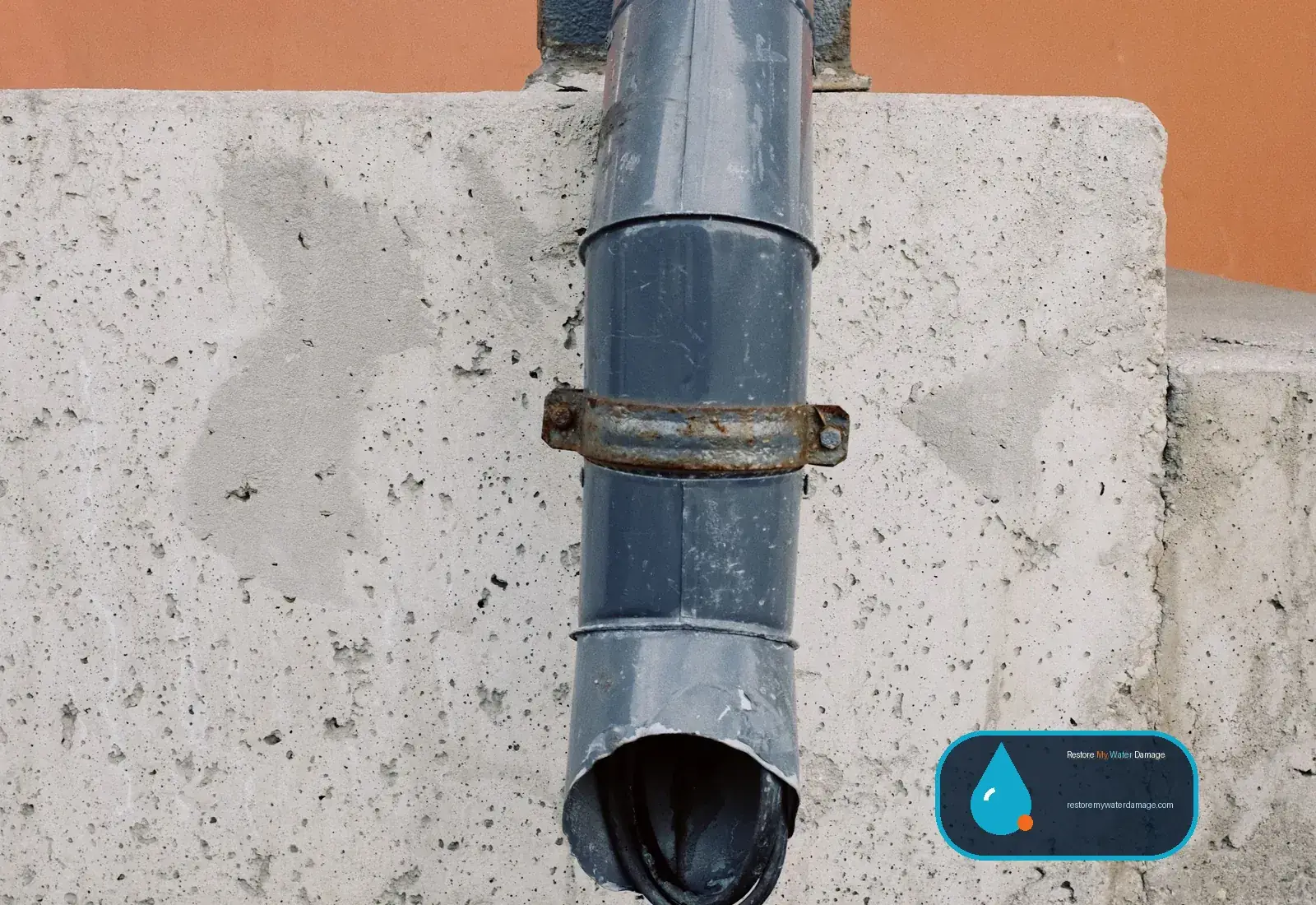
Water damage is one of the most frequent and costly problems homeowners face, and the frustrating part is how often it is preventable. Most losses begin with a component that was nearing the end of its life or a drainage issue that had been visible for months. This guide walks through the devices, maintenance habits, and seasonal checks that do the most to keep water where it belongs.
Why does water damage prevention matter?
Water damage prevention matters because water losses are among the most common homeowners insurance claims, can cost thousands to restore, disrupt daily life for days or weeks, and may lead to mold and structural decay. Many policies also exclude gradual leaks and maintenance-related damage, so preventing problems protects both your home and your finances.
A supply line under a sink can release several gallons per minute when it bursts. If that happens while you are at work or on vacation, water can travel through floors, into walls, and down to lower levels for hours. The resulting restoration might include extraction, tear-out, days of drying, and reconstruction. Our water damage restoration cost guide shows how quickly those costs add up, while a leak sensor or shutoff valve costs a small fraction of that.
The most common sources of household water damage
| Source | Typical failure | Primary prevention |
|---|---|---|
| Supply lines (sinks, toilets) | Braided line or plastic coupling fails | Inspect and replace on schedule; leak sensors |
| Washing machine | Hose bursts or leaks at fitting | Replace hoses; shutoff valve; drain pan |
| Water heater | Tank corrosion; relief valve discharge | Maintenance; drain pan; sensor; replace aging units |
| Refrigerator ice maker | Plastic line cracks or fitting loosens | Braided line; sensor behind fridge |
| Dishwasher | Supply or drain connection leaks slowly | Check under sink and front panel; sensor |
| Toilets | Fill valve failure, overflow, wax ring leak | Replace worn parts; watch for floor staining |
| Pipes | Freezing, corrosion, pinhole leaks | Insulation, heat, flow monitoring |
| Roof and gutters | Flashing failure; ice dams; overflow | Inspections; gutter cleaning; attic insulation and ventilation |
| Foundation and basement | Poor grading; sump failure; sewer backup | Grading, downspout extensions, sump backup, backwater valve |

What kinds of water leak detectors should you use?
There are three main types: battery-powered spot sensors that alarm when water touches them, smart Wi-Fi sensors that send phone alerts, and whole-house flow monitors that watch water usage and detect abnormal flow or small leaks. Spot sensors are inexpensive and easy to place; flow monitors can catch hidden leaks in walls and often pair with automatic shutoff.
| Type | How it works | Strengths | Limitations |
|---|---|---|---|
| Standalone spot sensor | Local audible alarm when probes get wet | Very low cost, no setup | Only helps if someone hears it |
| Smart spot sensor | Wi-Fi or hub-connected; sends app alerts; some track temperature | Alerts you away from home; freeze warnings | Needs connectivity and batteries |
| Whole-house flow monitor | Measures water flow at main line; learns usage patterns | Detects hidden and slow leaks anywhere on the system | Higher cost; may need plumber installation |
| Monitor plus automatic shutoff | Motorized valve closes on detected leak or sensor alarm | Stops water automatically | Highest cost; professional installation common |
Where to place leak sensors
- Next to the water heater, ideally inside its drain pan.
- Behind or beside the washing machine.
- Under every sink with a supply line, including bathroom vanities.
- Behind toilets.
- Behind the refrigerator if it has an ice maker or water dispenser.
- Under or beside the dishwasher.
- Near the sump pump pit.
- Near the HVAC air handler and its condensate line.
- At the lowest point of the basement or near floor drains.
- Near water softeners, filtration systems, or boilers.
Test sensors when you change smoke detector batteries, and replace batteries on the manufacturer's schedule.
Are automatic water shutoff valves worth it?
For many homes, yes. An automatic shutoff valve installed on the main water line can close within seconds of detecting a leak through connected sensors or abnormal flow, limiting a burst pipe to a small cleanup rather than a whole-house loss. They are especially valuable for second homes, frequent travelers, multistory homes, and finished basements. Installation typically requires a licensed plumber.
Types of automatic shutoff systems
- Sensor-triggered valves: A motorized actuator closes the main when any linked wireless sensor detects water.
- Flow-based systems: Monitor flow rate and duration; shut water off when usage looks abnormal, such as continuous flow for an unusually long time.
- Appliance-level valves: Close water to a single appliance, such as a washing machine or water heater, when a local sensor detects a leak.
- Actuator retrofits: Clamp onto an existing quarter-turn ball valve; less invasive, though compatibility varies.
Practical considerations
- Confirm the main valve is in good condition before adding an actuator to it.
- Consider a battery backup so the system works during power outages.
- Set "away" or vacation modes if the system supports them.
- Know how to manually override the valve.
- If you have fire sprinklers connected to domestic water, consult a plumber about code requirements before installing any shutoff system.
- Ask your insurer whether a discount applies.
How do you prevent supply line and fixture leaks?
Inspect supply lines under sinks, behind toilets, and at appliances at least once a year, and replace them when they show bulges, rust, kinks, cracked plastic nuts, or are past the manufacturer's service life. Exercise fixture shutoff valves so they work in an emergency, fix drips promptly, and avoid overtightening plastic fittings, which can crack over time.
Supply line inspection points
| Component | Warning signs | Action |
|---|---|---|
| Braided stainless supply lines | Frayed braid, rust, bulging, date stamp past recommended life | Replace |
| Plastic coupling nuts | Hairline cracks, especially on toilet connections | Replace with quality connector |
| Rubber washing machine hoses | Cracks, bulges, softness, age around 5 years | Replace, often with braided hoses |
| Ice maker lines | Thin plastic tubing, kinks, moisture at fittings | Upgrade to braided line |
| Fixture shutoff valves | Stiff, corroded, leaking at stem | Exercise yearly; replace if seized |
| Toilet fill valves and flappers | Constant running, phantom refills | Replace worn parts |
Washing machine best practices
- Turn off supply valves when away for extended periods, or install a lever-style or automatic washer valve.
- Place the machine in a drain pan plumbed to a drain where practical, especially on upper floors.
- Leave a few inches between the machine and wall to prevent hose kinks.
- Do not leave a load running while you leave the house.
- Check that the drain hose is secured in the standpipe.
Caulk, grout, and showers
Failing caulk around tubs, showers, and sinks allows water into walls and subfloors slowly, which is exactly the kind of gradual damage many insurance policies exclude. Recaulk when you see gaps, mildew, or peeling, and reseal grout where needed. Soft flooring near a tub or loose tiles are signs of hidden leakage worth investigating.

How do you prevent water heater leaks?
Prevent water heater leaks by flushing sediment periodically, checking the anode rod, testing the temperature and pressure relief valve, inspecting connections and the tank base for rust or moisture, installing a drain pan with a leak sensor, and planning replacement as tank heaters approach the end of their commonly reported 8 to 12 year lifespan. Consider an expansion tank where required.
Water heater maintenance checklist
- Check the age. The manufacture date is often encoded in the serial number on the label.
- Inspect the base for rust, water, or white mineral crust.
- Look at connections for corrosion at hot and cold lines.
- Test the T&P relief valve per the manufacturer's instructions; if it drips afterward or will not seat, have it replaced. Stand clear of hot discharge.
- Flush sediment as the manufacturer recommends, often annually.
- Have the anode rod inspected every few years; replacing a depleted rod can extend tank life.
- Install a drain pan with a drain line where possible, plus a leak sensor.
- Confirm expansion control: homes with check valves or pressure-reducing valves may need a thermal expansion tank.
- Check water pressure; very high household pressure strains the heater and fixtures. A plumber can test and install or adjust a pressure-reducing valve.
Water heaters involve scalding water, gas, and high-voltage electricity. If you are not comfortable performing maintenance, hire a licensed plumber. Never tamper with or cap a relief valve.
How do gutters and grading prevent water damage?
Gutters, downspouts, and ground grading work together to carry roof runoff away from your foundation. Clean gutters prevent overflow into walls and basements, downspout extensions discharge water several feet from the house, and soil sloped away from the foundation keeps water from pooling against basement walls or seeping into crawlspaces. Poor exterior drainage is a leading cause of basement moisture.
Exterior drainage checklist
- Clean gutters at least twice a year, more often under heavy tree cover.
- Check for sagging, separated seams, and loose hangers.
- Extend downspouts so water discharges several feet away from the foundation, onto ground that slopes away.
- Check grading. A common guideline is a drop of about six inches over the first ten feet away from the foundation; local codes and site conditions vary.
- Keep mulch and soil below siding and away from window wells.
- Install window well covers where wells collect water.
- Watch for pooling after heavy rain and note where it occurs.
- Keep storm drains near your property clear of leaves where safe to do so.
Roof and attic
Have the roof inspected periodically and after major storms. Look for missing or damaged shingles, deteriorated flashing around chimneys and vents, and failing pipe boots. In the attic, look for stains on decking and damp insulation. In cold climates, adequate attic insulation and ventilation help prevent ice dams, which force meltwater under shingles. See storm and rain water damage for what happens when roof defenses fail.
How do you protect a basement with a sump pump?
Protect a basement by testing the sump pump regularly, keeping the pit clear of debris, confirming the discharge line drains well away from the house, adding a battery backup or water-powered backup pump, installing a high-water alarm, and replacing aging pumps proactively. A backwater valve on the sewer line can reduce sewage backup risk; consult a licensed plumber and local code.
Sump pump maintenance steps
- Pour water into the pit to confirm the float triggers the pump and it shuts off.
- Check the pump is plugged into a working outlet; a GFCI outlet may be required by code, so test it.
- Clean the pit and inlet screen of debris.
- Confirm the check valve prevents water from flowing back.
- Walk the discharge line outside; make sure it is not frozen, crushed, or draining back toward the house.
- Test the backup pump and battery; replace batteries per manufacturer guidance.
- Consider replacing pumps that are aging or noisy before storm season.
Other basement protection
- Store valuables and documents on shelves or in waterproof bins, not on the floor.
- Run a dehumidifier to keep relative humidity in a healthy range, commonly cited as below about 50 to 60 percent.
- Seal visible foundation cracks and consult a foundation professional for active seepage.
- Consider flood insurance and a water backup endorsement; standard policies usually exclude both. See water damage and homeowners insurance.
If a basement has already flooded, see basement water damage restoration.
How do you prevent frozen and burst pipes?
Prevent frozen pipes by insulating pipes in unheated areas, sealing air leaks near plumbing, disconnecting garden hoses and shutting off exterior spigots, keeping the thermostat at a steady temperature even when away, opening cabinet doors on exterior walls during cold snaps, letting faucets drip in severe cold, and draining or winterizing vacant properties. Heat cable rated for pipes can help in vulnerable spots.
Freeze protection checklist
- Identify vulnerable pipes: exterior walls, crawlspaces, garages, attics, and unheated basements.
- Insulate exposed pipes with foam sleeves or pipe wrap.
- Seal gaps where cold air reaches pipes, such as rim joists and utility penetrations.
- Disconnect hoses; close interior shutoffs to exterior faucets and drain them, or install frost-free hose bibs.
- Keep the heat on and set to a consistent temperature; many guides suggest no lower than about 55°F when away.
- Open sink cabinet doors on exterior walls during extreme cold.
- Let a faucet on a vulnerable line drip slowly during severe cold snaps.
- Use UL-listed heat cable per instructions where needed; never use open flames to thaw pipes.
- For vacant homes, consider shutting off and draining the system, and check your policy's vacancy and freezing conditions.
- Install smart sensors that alert you to low temperatures.
If a pipe freezes
If a faucet produces only a trickle in cold weather, a pipe may be frozen. Keep the faucet open, locate the frozen section if you can, and apply gentle heat with a hair dryer or warm towels. Never use a torch or open flame. If you cannot locate or reach the frozen area, or if the pipe has burst, shut off the main water supply and call a plumber. Our burst pipe water damage cleanup page explains next steps if water has escaped.

What should a seasonal water damage prevention checklist include?
A seasonal checklist should cover spring gutter cleaning, roof and sump pump checks; summer HVAC condensate and irrigation inspections; fall gutter cleaning, hose disconnection, and pipe insulation; and winter freeze monitoring and ice dam watch. Monthly and annual checks of supply lines, water heaters, sensors, and shutoff valves round out a complete prevention routine.
| Season | Key tasks |
|---|---|
| Spring | Clean gutters and downspouts; inspect roof and flashing after winter; test sump pump and backup before rainy season; check grading and window wells; inspect basement walls for new seepage; check exterior spigots for freeze damage when first used |
| Summer | Check AC condensate line and drain pan; inspect irrigation heads so they do not spray the house; watch for storm damage; run basement dehumidifier; inspect washing machine hoses before vacations |
| Fall | Clean gutters after leaves drop; disconnect hoses and drain exterior faucets; insulate vulnerable pipes; seal air leaks; service heating system; test low-temperature alerts; confirm sump discharge line is clear |
| Winter | Maintain steady indoor heat; open cabinets on exterior walls during cold snaps; watch for ice dams and icicles; keep snow away from foundation and window wells; check attic for frost or leaks; plan for vacancy and travel |
Monthly quick checks
- Look under sinks and around toilets for moisture or staining.
- Glance at the water heater base and connections.
- Check ceilings below bathrooms for new stains.
- Review your water bill or smart meter for unexplained usage increases.
Annual checks
- Exercise the main shutoff and fixture valves.
- Replace aging supply lines and washer hoses.
- Flush the water heater.
- Test leak sensors and replace batteries.
- Check household water pressure.
- Review insurance coverage for flood and water backup.
Does high water pressure cause water damage?
Yes, excessive household water pressure can shorten the life of supply lines, appliance hoses, water heaters, faucets, and toilet fill valves, increasing leak risk. Many plumbing guidelines suggest keeping static pressure within a moderate range, often cited around 40 to 80 psi, with local codes varying. An inexpensive hose-bib pressure gauge lets you check, and a plumber can install or adjust a pressure-reducing valve.
- Buy a pressure gauge that threads onto an outdoor spigot or laundry faucet.
- Turn off all water-using fixtures and appliances.
- Attach the gauge and open the faucet fully.
- Read the static pressure; check again at night when municipal pressure may rise.
- If readings are high or the pressure-reducing valve is aging, have a licensed plumber evaluate it, including whether a thermal expansion tank is needed.
How can you spot hidden leaks early?
Hidden leaks often reveal themselves through an unexplained rise in water bills, a water meter that moves when all fixtures are off, musty odors, stains or bubbling paint on walls and ceilings, warped or soft flooring, loose tiles, mold spots, or the sound of running water. Catching these signs early prevents slow leaks from becoming gradual damage that insurance may not cover.
Water meter leak test
- Turn off all faucets, appliances, irrigation, and anything that uses water.
- Locate your water meter and note the reading or watch the leak indicator (often a small dial or triangle).
- Wait one to two hours without using any water.
- Check the meter again. If it has moved, there may be a leak.
- Close the main shutoff and check again to help determine whether the leak is inside the house or on the service line.
If you find evidence of a hidden leak, have a plumber locate and repair it, and consider a professional moisture inspection to find out how far water has spread. See what to do after a water leak.
How should landlords and commercial property owners approach prevention?
Landlords and commercial owners should combine the same devices and maintenance with written procedures: documented inspection schedules, tenant education on shutoff locations and reporting leaks, clear responsibility in leases, monitored leak detection in high-risk areas, vacancy protocols, and emergency contact lists. Multifamily and commercial buildings benefit from central flow monitoring because one failure can affect many units or tenants.
- Label shutoff valves for each unit and building system.
- Require tenants to report leaks promptly, and make reporting easy.
- Inspect units at turnover for supply line age, caulk, and water heater condition.
- Protect server rooms and inventory with sensors and elevated storage.
- Keep an emergency response plan with restoration, plumbing, and insurance contacts.
For response planning, review commercial water damage restoration.
What should you do if prevention fails?
If water gets in despite your efforts, stop the source, stay safe around electricity, document the damage, and start extraction and drying quickly. Prompt action limits damage and supports any insurance claim. Afterward, identify the root cause and add prevention measures so the same failure does not happen again.
Keep a copy of our water damage restoration checklist handy. If you need help, call Restore My Water Damage at (833) 435-4276 or visit our contact page.
Frequently Asked Questions
What is the most effective way to prevent water damage in a home?
The most effective single step for many homes is an automatic whole-house water shutoff valve paired with leak sensors, because it can stop a burst line within moments instead of hours. Combine it with replacing aging supply lines, maintaining the water heater, keeping gutters and grading directing water away, and protecting pipes from freezing for layered protection.
How often should washing machine hoses be replaced?
Many manufacturers and insurers commonly recommend inspecting washing machine hoses at least annually and replacing rubber hoses about every five years, or sooner if you see bulges, cracks, or corrosion at fittings. Braided stainless steel hoses are generally more durable but still age. Leave a few inches of clearance behind the machine so hoses do not kink.
Do water leak detectors really work?
Yes, within their limits. Battery-powered spot sensors detect water that reaches the sensor and sound an alarm or send a phone alert. They work best placed where leaks start: under sinks, behind toilets, next to water heaters, near washing machines, and by sump pumps. They cannot detect leaks inside walls unless water reaches them, which is why whole-house flow monitoring adds value.
How long do water heaters last?
Tank-style water heaters are commonly reported to last about 8 to 12 years, varying with water quality, maintenance, and model. Signs of trouble include rust-colored water, rumbling, moisture or corrosion at the base, and leaking fittings. Flushing sediment periodically, checking the anode rod, and installing a drain pan with a leak sensor can reduce risk.
At what temperature should I worry about frozen pipes?
Pipes in unheated or exterior-wall locations become vulnerable when outdoor temperatures drop below freezing, and the risk rises significantly during extended periods in the low 20s Fahrenheit or colder. Protect exposed pipes with insulation, keep indoor heat on, open cabinet doors on exterior walls, and let a faucet drip during severe cold snaps.
How do I know if my sump pump is working?
Test it by slowly pouring a bucket of water into the sump pit until the float rises. The pump should start, remove the water, and shut off. Also check that the discharge line is clear and drains away from the foundation, the check valve works, and the pump is plugged into a working outlet. A battery backup and high-water alarm add protection.
Can prevention devices lower my insurance premium?
Some insurers offer discounts or incentives for water leak detection and automatic shutoff systems, particularly monitored or professionally installed systems. Availability and amounts vary by insurer and state. Ask your agent what qualifies, what documentation is required, and whether any devices must be connected to a monitoring service.
How far should soil slope away from my foundation?
A commonly cited guideline is for the ground to slope away from the foundation by about six inches over the first ten feet, though local building codes and site conditions vary. Downspouts should discharge several feet from the house. If water pools against the foundation after rain, consult a qualified drainage or grading contractor.
What home maintenance tasks prevent water damage the most each year?
Key yearly tasks include cleaning gutters and downspouts, checking roof flashing and shingles, inspecting caulk around tubs, showers and windows, and looking under sinks for drips. Flush the water heater, test the sump pump, clear AC condensate lines and check washing machine and ice maker hoses. Know where your main shutoff valve is and make sure it turns easily in an emergency. Call (833) 435-4276 24/7 and we'll connect you with local help.