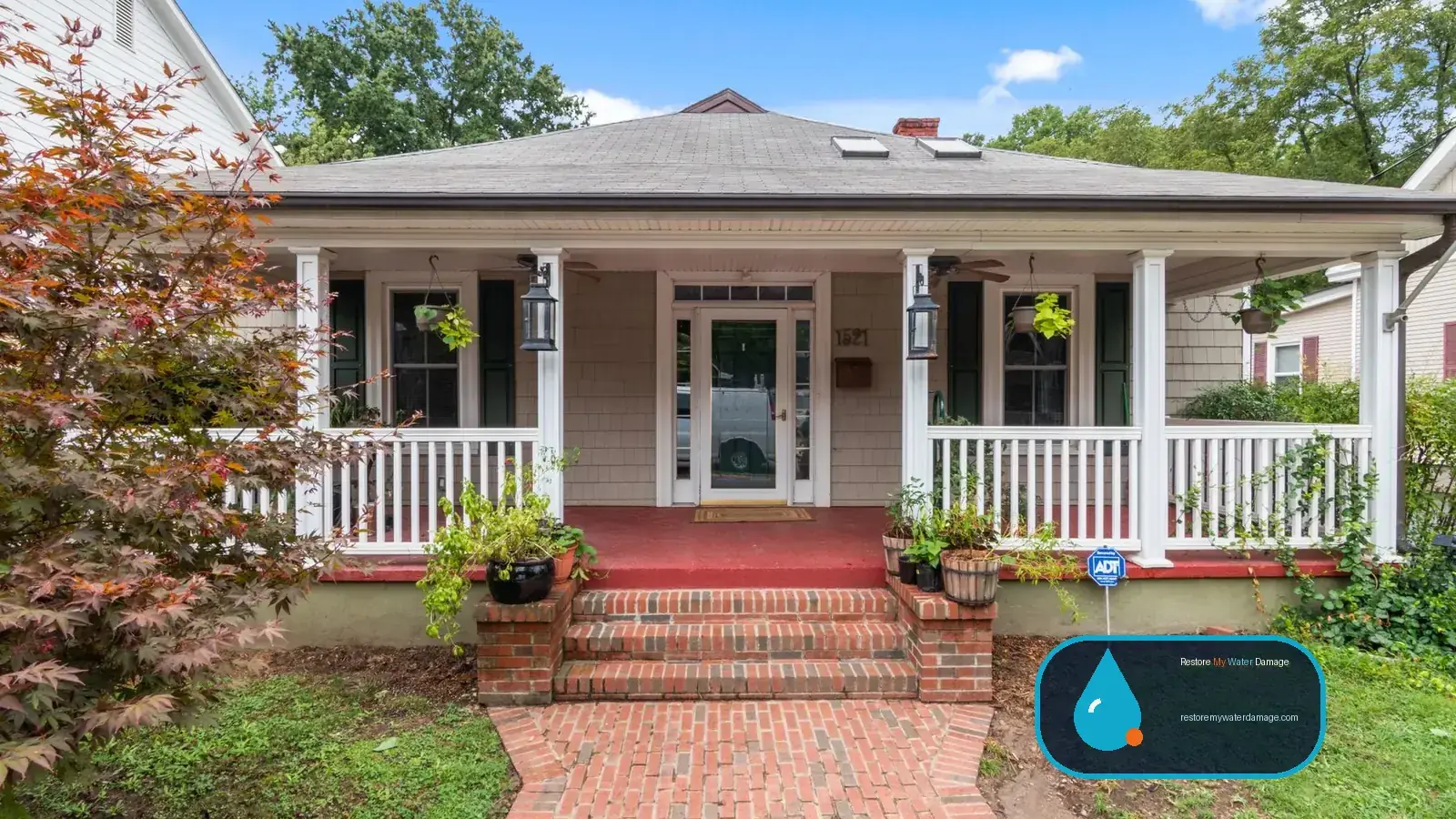
Long Beach and the neighboring communities of southeast Los Angeles County sit at the bottom of a large watershed, right where it meets the ocean. That position shapes the kind of water damage property owners see. Restore My Water Damage connects homeowners, landlords and businesses in this area with water damage restoration help for burst pipes, appliance leaks, sewer backups, storm intrusion and flooding.
The climate is mild and dry for most of the year, with rain concentrated in winter storms. But the coast adds its own pressures: salty marine air that corrodes metal, low-lying neighborhoods where groundwater sits close to the surface, and storm drains that can struggle when heavy rain coincides with high tides. Two major flood control channels, the Los Angeles River and the San Gabriel River, reach the ocean here, draining a vast area of inland county.
Much of the housing stock is older, including raised-foundation bungalows and courtyard apartments, so hidden leaks under floors are common. Restoration starts with locating the source, extracting water and measuring moisture in subfloors, framing and walls before monitored drying. If water is actively spreading, go to our emergency water damage restoration page or call (833) 435-4276. Availability and pricing depend on the provider matched to your property and the scope found at inspection.

Water Damage Restoration Services in Long Beach
Water damage restoration in Long Beach / Southeast LA covers the full sequence from the first call to the final repair: stopping the damage, removing water, drying the structure to measurable dry standards, cleaning affected materials and rebuilding what cannot be saved. Every job is different, so the scope is set after an on-site inspection, not over the phone.
Emergency Water Damage Cleanup
The first hours matter most. Standing water spreads into drywall, subfloors and cabinets, and wet materials can support mold growth within roughly 24–48 hours. Emergency work focuses on safety checks, stopping further damage and getting extraction started. Learn more about emergency water damage restoration.
Water Extraction and Structural Drying
Extraction removes liquid water far faster than evaporation ever could. Drying then uses air movers and dehumidifiers placed according to moisture readings, with daily monitoring until materials reach their dry goals. See water extraction and structural drying.
Water Damage Repair and Restoration
Once the structure is dry, damaged drywall, baseboards, flooring, cabinets and paint are repaired or replaced. Some property owners use one company for both mitigation and rebuild; others hire a separate contractor. Read about water damage repair and restoration.
Fire and Water Damage Restoration
After a fire, water from sprinklers and hoses often causes as much damage as the flames. Drying and soot cleanup must be coordinated so moisture does not set smoke residue deeper into materials. See fire and water damage restoration.
Mold-Related Water Damage
When water has been present long enough for mold to grow, the job follows containment and removal practices described in the IICRC S520 standard. Ask whether mold remediation is available for your address when you call. More on mold and water damage.
Common Causes of Water Damage in Long Beach
Across California, the most common drivers of water damage are winter atmospheric-river storms, slab leaks and aging supply lines. The local factors specific to Long Beach / Southeast LA are covered below.
Salt air and corroding plumbing
Properties within a few miles of the shoreline live with constant marine air carrying salt and moisture. Over years, that environment accelerates corrosion on exposed metal: hose bibs, gas and water lines at the exterior wall, water heater fittings in garages and closets, AC condensate components and the fasteners on roofing and flashing. Where supply lines run through ventilated crawlspaces, the pipes are exposed to that same damp, salty air. Corroded fittings tend to fail slowly at first, then suddenly. Many older homes in the area also still have galvanized steel supply lines that corrode from the inside. When a failure happens under a raised floor, water can run for a long time before anyone sees it. See burst pipe water damage cleanup for how these losses are handled.
Low-lying coastal areas, groundwater and tides
Parts of Long Beach and nearby coastal communities are very close to sea level, and some neighborhoods sit on filled land or near bays, marinas and wetlands. In these areas groundwater can be shallow, and storm drains discharge toward the ocean, so heavy rain during high tide may back up at low points in streets, alleys and parking areas. Water can then reach garages, ground-floor units and crawlspaces. Coastal flooding and storm-driven water entering from outside is treated as contaminated, and porous materials it soaks usually need removal rather than drying. Our flood damage restoration page explains that process.
River channels and winter storms
The lower Los Angeles River and the San Gabriel River run through this region in engineered channels built to move runoff from much of the county to the sea. The channels themselves are designed to contain large flows, but neighborhood drainage feeding into them can be overwhelmed during intense storms, like the atmospheric river events that hit Southern California in 2023 and 2024. Street flooding, overflowing catch basins and water pushed under doors are the more common results. Roof leaks, clogged gutters and wind-driven rain through older windows add to storm-season losses. See storm and rain water damage.
Crawlspaces under older bungalows
Long Beach has many early twentieth-century Craftsman homes and California bungalows built on raised foundations with crawlspaces. A crawlspace hides leaks from supply lines, drain lines and water heaters, and it can also collect water from poor exterior grading. Once moisture builds up, it can soak wood subflooring, joists and sill plates, raise humidity throughout the house and create conditions for mold and wood decay. Drying a crawlspace requires access, extraction, and targeted airflow and dehumidification rather than simply opening vents.
Sewer lateral backups
In older neighborhoods, the private sewer lateral connecting a home to the public main is often decades-old clay or cast iron pipe. Tree roots, offset joints and grease buildup can block it, and a blockage can send sewage back up through the lowest drains, typically floor drains, showers and toilets on the ground floor. Sewage backup is Category 3 water and requires protective handling, removal of affected porous materials and sanitizing before drying. Courtyard apartments that share a single lateral can see several units affected at once.
Whatever the source, the first step is the same: stop the water, document where it started and how far it traveled, and measure moisture in every affected area. In older homes with crawlspaces and in multifamily buildings with shared plumbing, that mapping often reveals damage well beyond the visible wet spot.
Burst Pipes and Supply-Line Failures
Hard freezes are uncommon here, so most pipe failures come from age, water pressure, corrosion and failed fittings. Braided supply lines to toilets, sinks and washing machines are a frequent culprit, and slab leaks can hide under flooring for weeks.
Appliance and Plumbing Leaks
Water heaters, dishwashers, ice-maker lines, washing machines and toilet supply lines fail in every market. These are usually Category 1 (clean) water at first, but water that sits or contacts flooring and debris can degrade to Category 2 or 3.
Slab, Crawl Space and Foundation Moisture
Most homes here sit on slabs or crawl spaces rather than full basements. Water under flooring or in a crawl space is easy to miss and needs moisture meters or thermal imaging to find.
Sewer or Drain Backups
Tree roots, grease, collapsed lines and heavy rain overwhelming municipal systems can push sewage back into a property. This is Category 3 water and requires protective equipment and removal of affected porous materials. See sewage backup cleanup.
Types of Water Damage We Handle
Restoration professionals classify water by contamination level using the IICRC S500 categories, because the category decides what can be dried in place and what must be removed.
| Category | Typical sources | What it means for restoration |
|---|---|---|
| Clean water (Category 1) | Broken supply lines, faucet overflows, fresh rain intrusion | Most materials can often be dried in place if work starts quickly |
| Gray water (Category 2) | Washing machine or dishwasher discharge, toilet overflow without feces | Carpet pad and some porous materials usually removed; cleaning and antimicrobial treatment |
| Black water (Category 3) | Sewage, rising floodwater, water standing long enough to grow bacteria | Porous materials generally removed; PPE and containment required |
For a deeper explanation, read water damage categories explained.
The Water Damage Restoration Process
A professional restoration job in Long Beach follows the same measurable sequence used nationally. The details of each step change with the size of the loss and the materials involved.
1. Emergency Assessment
The technician confirms the water source is stopped, checks electrical and structural hazards, identifies the water category and drying class, and photographs conditions before work begins.
2. Water Removal / Extraction
Truck-mounted or portable extractors remove standing water from floors, carpet and pad. Thorough extraction can shorten drying time by days.
3. Moisture Detection
Pin and pinless moisture meters, thermo-hygrometers and thermal cameras map where water has traveled, including inside walls and under flooring.
4. Drying and Dehumidification
Air movers increase evaporation while dehumidifiers pull that moisture out of the air. Readings are logged daily until materials reach dry standards.
5. Cleaning and Sanitizing
Affected surfaces are cleaned, and antimicrobial products are applied where the category warrants. Unsalvageable materials are removed and documented.
6. Repairs and Reconstruction
Drywall, insulation, trim, flooring and paint are restored. The full restoration process guide explains each step in detail.
How Long Does Water Damage Restoration Take?
Drying a typical water-damaged room commonly takes about three to five days once equipment is in place, though dense materials such as hardwood and plaster can take longer. Repairs add days to weeks depending on scope, material availability and insurance approvals.
Timelines depend on how quickly work begins, the amount of water, the materials that got wet, the water category, and indoor humidity. Drying should end when moisture readings say the materials are dry, not on a fixed calendar date. See how long water damage restoration takes.
How Much Does Water Damage Restoration Cost?
There is no single price for water damage restoration in Long Beach. Cost depends on the affected square footage, water category, materials, how long the water sat, equipment days, and whether repairs are included. A written estimate should follow an inspection.
- Size of the affected area and how many rooms or floors are involved
- Water category — sewage and floodwater require more removal and protective work
- Materials — hardwood, plaster and cabinetry take longer and cost more to dry or replace
- Drying time and the amount of equipment needed
- Repairs and rebuild, which are often priced separately from mitigation
Commonly reported national figures are explained in our water damage restoration cost guide.
Does Insurance Cover Water Damage Restoration?
Many homeowners policies cover sudden and accidental water damage, such as a burst pipe, but commonly exclude gradual leaks, poor maintenance and flooding from outside. Flood damage generally requires a separate flood policy. Always read your own policy and confirm with your insurer or adjuster.
Document the damage with photos and video before cleanup, keep receipts, and take reasonable steps to prevent further damage. Restore My Water Damage can provide moisture logs, photos and itemized scope documentation for your claim. Read water damage insurance claims for a step-by-step walkthrough.
Residential vs. Commercial Water Damage Restoration
Residential property in Long Beach and southeast LA County includes a large share of older homes. Craftsman and Spanish-style bungalows on raised foundations are common in established Long Beach neighborhoods, while surrounding cities such as Lakewood, Paramount, Bellflower and Signal Hill contain many postwar houses on slabs. Multifamily housing is a big part of the mix, from 1920s courtyard apartments and small fourplexes to mid-century stacked apartment buildings, beachfront condos and newer mixed-use construction downtown.
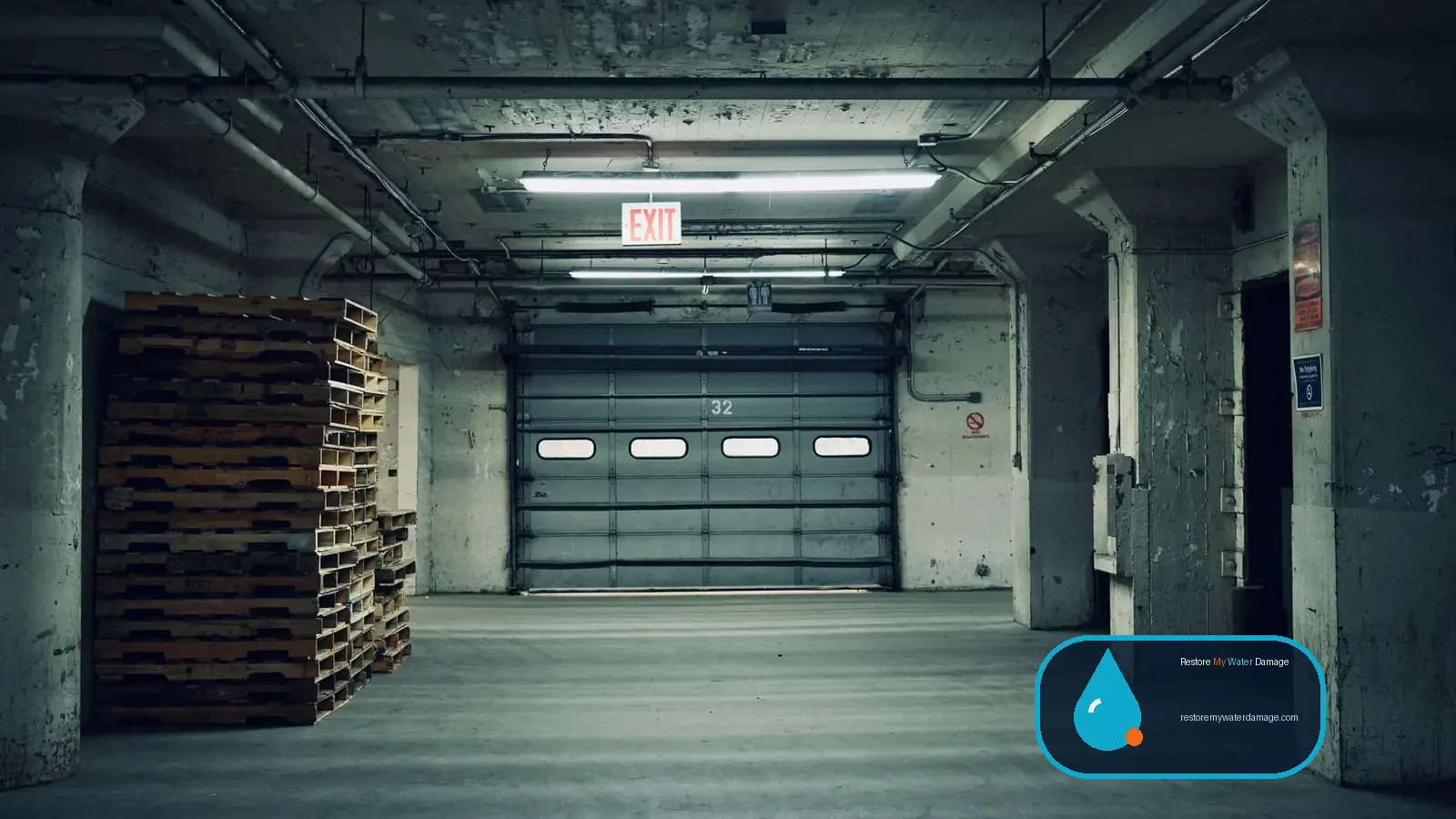
The commercial and industrial side is shaped by the Port of Long Beach and the neighboring Port of Los Angeles, which together form one of the busiest port complexes in the country. The surrounding area is full of warehouses, distribution centers, truck yards, manufacturing plants and light industrial buildings, many with large flat roofs and loading docks close to grade. Retail corridors, restaurants, medical offices, schools and hospitality properties round out the market.
For restoration, raised-foundation homes need crawlspace inspection and subfloor drying, while slab homes need moisture mapping under flooring. Multifamily buildings require coordination with owners, managers and tenants. Warehouses and industrial sites call for protecting inventory, clearing water from large floor areas and minimizing downtime. Our commercial water damage restoration page covers business properties in more detail.
Homes and commercial properties follow the same drying science, but commercial jobs add tenant coordination, business continuity planning and larger equipment deployments. See residential and commercial water damage restoration.
Why Choose a Professional Water Damage Restoration Company
Professional restoration is about measurement and documentation. Household fans and shop vacuums can move surface water, but they cannot confirm that wall cavities and subfloors are dry. Hidden moisture is what leads to mold, warped floors and repeat repairs.
- Ask whether technicians are trained to the IICRC S500 standard and request proof
- Expect written moisture readings and a drying log
- Get a written work authorization and scope before large removals
- Confirm insurance coverage and applicable state or local contractor licensing
Use our guide to choosing a restoration company to compare providers.
Areas and ZIP Codes We Serve
This market centers on the city of Long Beach and nearby communities in southeast Los Angeles County, from coastal and bay-front areas to inland neighborhoods along the Los Angeles and San Gabriel river corridors. This page covers 57 ZIP codes across 16 communities, including Artesia, Bell, Bell Gardens, Bellflower, Cerritos, Compton, Downey, Hawaiian Gardens, Huntington Park, Lakewood, Long Beach, Lynwood….
90201Bell Gardens90202Bell90220Compton90221Compton90222Compton90223Compton90224Compton90239Downey90240Downey90241Downey90242Downey90255Huntington Park90262Lynwood90270Maywood90280South Gate90701Artesia90702Artesia90703Cerritos90706Bellflower90707Bellflower90711Lakewood90712Lakewood90713Lakewood90714Lakewood90715Lakewood90716Hawaiian Gardens90723Paramount90755Signal Hill90801Long Beach90802Long Beach90803Long Beach90804Long Beach90805Long Beach90806Long Beach90807Long Beach90808Long Beach90809Long Beach90810Long Beach90813Long Beach90814Long Beach90815Long Beach90822Long Beach90831Long Beach90832Long Beach90833Long Beach90834Long Beach90835Long Beach90840Long Beach90842Long Beach90844Long Beach90845Long Beach90846Long Beach90847Long Beach90848Long Beach90853Long Beach90888Long Beach90899Long Beach
Nearby California markets: SJSan Jose / South Bay, LALos Angeles, ANAnaheim / North Orange County, ICIrvine / Central Orange County, SASanta Ana / Central Orange County, IWInglewood / West LA. See all  California service areas.
What to Do Before Help Arrives
- Find your main water shutoff and make sure the valve turns; salt air can seize older valves.
- If you have a crawlspace, know where the access hatch is and check it after storms or unexplained high water bills.
- If sewage comes up through a floor drain or toilet, stop using water in the building and stay out of the affected area.
- Treat any water that enters from the street, an alley or a flooded parking area as contaminated.
- Move vehicles, stored items and electronics off garage floors during heavy rain in low-lying areas.
- Turn off electricity at the panel only if you can reach it without standing in water.
- In apartments and condos, notify management right away so neighboring units can be checked.
- Photograph the source and damage before cleanup begins.
More detail: what to do after a water leak.
Frequently Asked Questions
Does living near the coast in Long Beach affect plumbing?
It can. Marine air carries salt and moisture that speed up corrosion on exposed metal, including hose bibs, water heater fittings, gas and water connections and pipes running through crawlspaces. Inspect exposed fittings periodically, watch for green or white crusting and rust, and replace corroded parts before they fail.
Why is my crawlspace damp even when no pipe is leaking?
Poor exterior grading, gutters that dump water near the foundation, shallow groundwater and humid marine air can all raise crawlspace moisture. Over time that moisture affects subflooring, joists and indoor air. An inspection with moisture readings helps separate a plumbing leak from a drainage or ventilation problem.
What should I do if sewage backs up into my home?
Stop running water, flushing toilets and using appliances that drain. Keep people and pets away from the area and do not try to clean it without protective equipment. Sewage is heavily contaminated, so affected porous materials usually need removal, followed by cleaning, sanitizing and drying. A plumber should also clear and inspect the lateral.
Can heavy rain and high tide cause flooding in low-lying areas?
In some coastal neighborhoods, yes. When storm drains discharge toward the ocean and water levels are high, runoff can back up in low streets and parking areas. That water may reach garages and ground-floor rooms. Keep drains near your property clear and treat water that enters from outside as contaminated.
How is water damage handled in a port-area warehouse?
The priorities are safety, stopping the source, and protecting inventory and equipment. Water is extracted from large floor areas, wet racking and pallets are assessed, and drying equipment is placed so operations can continue where possible. Detailed documentation of affected goods and materials supports insurance review and business interruption claims.
How much does water damage restoration cost in Long Beach, CA?
Long Beach jobs typically follow national ranges, though Los Angeles-area labor costs can be higher. A small clean water leak may cost a few hundred to around a thousand dollars, while sewage backups or multi-room damage can reach several thousand or more. Pricing varies by job and is set by the independent provider who inspects your property. Call (833) 435-4276 24/7 and we'll connect you with local help.
Does homeowners insurance cover water damage in Long Beach?
Most California homeowners policies cover sudden and accidental water damage, such as a burst pipe or appliance supply line failure. Flooding from outside, gradual leaks, and sewer backup without an endorsement are commonly excluded. Flood coverage requires a separate policy. Review your policy and report the damage promptly with photos.
How long does water damage restoration take in Southeast LA homes?
Drying typically takes three to five days for most clean water losses, verified with moisture readings. Raised-foundation homes with wet crawlspaces or subfloors, and sewage jobs that require material removal and sanitizing, can take longer. Repairs such as drywall and flooring may add one to several weeks. Call (833) 435-4276 24/7 and we'll connect you with local help.
Can I clean up water damage myself in my Long Beach apartment?
Tenants can handle small clean water spills with towels and fans, but report any leak to your landlord or property manager right away, since the building structure is their responsibility. Water inside walls, under flooring or from sewage needs professional drying and cleaning. Renters insurance may cover your belongings but not the building.
How do I know if water damage caused mold in my Long Beach home?
Common signs include a musty smell, dark spots or fuzzy growth on walls and baseboards, peeling paint, warped wood and worsening allergy symptoms indoors. Coastal humidity can keep crawlspaces and bathrooms damp. Mold can begin within 24 to 48 hours of a leak, so fix the moisture source before any cleanup. Call (833) 435-4276 24/7 and we'll connect you with local help.
What should I do if a water heater bursts in my Long Beach home?
Turn off the cold water supply valve on top of the heater and shut off its gas or electric power. If the valve fails, close the main water shutoff. Keep people away from hot water and electrical outlets, photograph the damage and remove standing water. Professional drying helps prevent damage to walls and flooring. Call (833) 435-4276 24/7 and we'll connect you with local help.
What should I ask a water damage restoration company in Long Beach?
Ask whether they offer emergency service, what their inspection includes, whether technicians are IICRC-trained, and whether they carry liability insurance and required licenses. Request a written estimate, daily moisture logs and photos for your insurer. We connect callers with independent local providers, who hold their own credentials and set pricing.
Request Water Damage Restoration Help in Long Beach
Call (833) 435-4276 or send a request with your ZIP code and a short description of the damage. We will explain the next steps and we will connect you with help for your address.