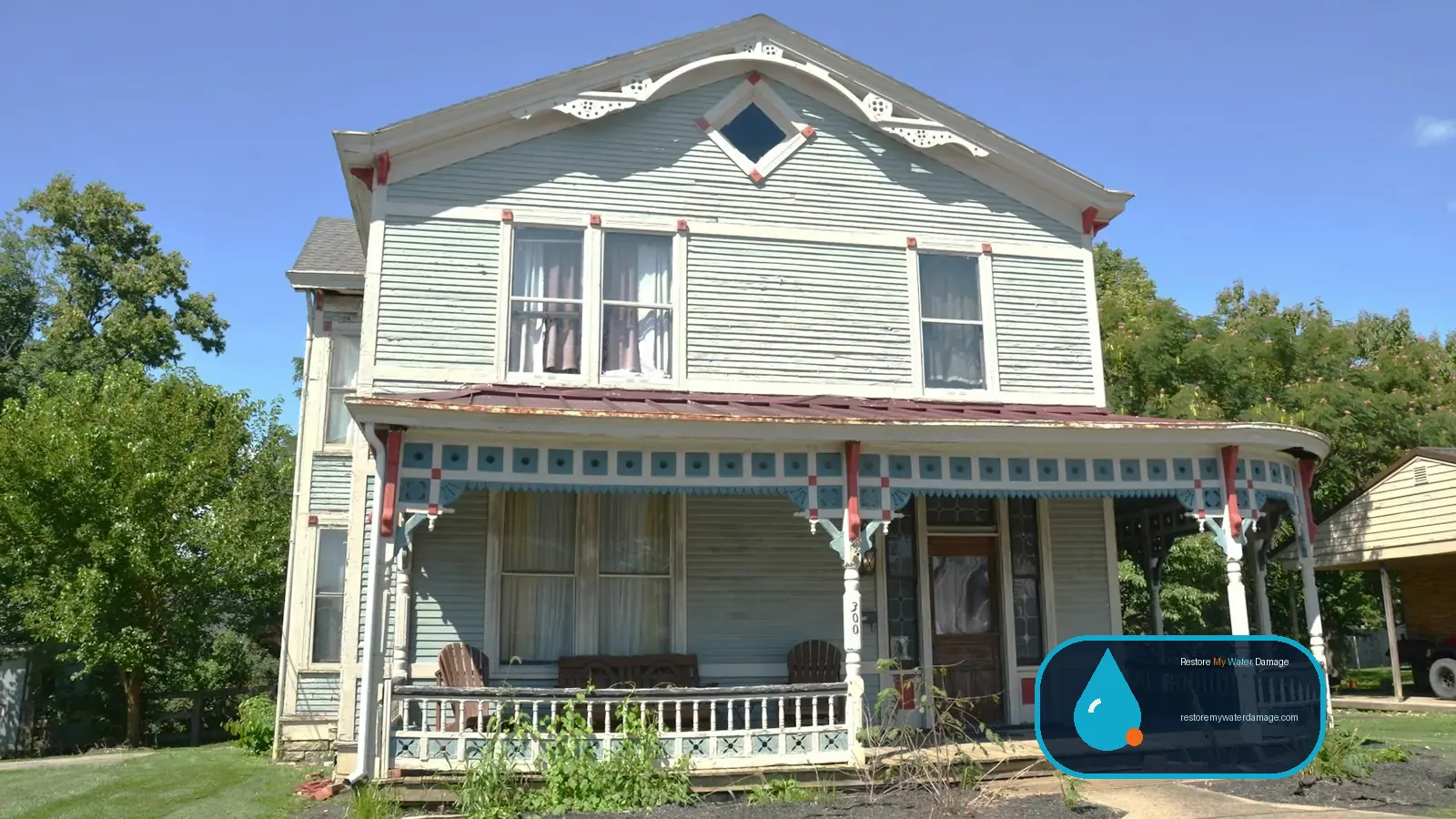
The Iredell-Rowan corridor stretches north of Charlotte along Interstate 85 and Interstate 77. Salisbury, the county seat of Rowan County, is one of North Carolina's older towns, with a historic downtown and neighborhoods of nineteenth- and early twentieth-century homes. Statesville, the Iredell County seat, has a similar historic core, while Mooresville on the north end of Lake Norman has grown rapidly into a suburban and lakefront community. Between and beyond these towns lie small communities such as China Grove, Rockwell, Spencer, Troutman and Cleveland, farmland, and rural homes along the Yadkin River and High Rock Lake.
Restore My Water Damage connects property owners and businesses across this corridor with water damage restoration help: emergency water extraction, moisture mapping, structural and crawlspace drying, removal of damaged materials and cleanup after sewage or floodwater.
This market's distinct angle is its blend of historic town homes, rural properties on wells and septic systems, and manufacturing and distribution facilities, with rapid lake-area growth on the southern edge. Those property types each bring different water damage risks. This page covers the most common causes, what the property mix means for restoration, and what to do before help arrives. For urgent help, call (833) 435-4276 or see emergency water damage restoration.

Water Damage Restoration Services in Salisbury
Water damage restoration in Salisbury / Iredell-Rowan Corridor covers the full sequence from the first call to the final repair: stopping the damage, removing water, drying the structure to measurable dry standards, cleaning affected materials and rebuilding what cannot be saved. Every job is different, so the scope is set after an on-site inspection, not over the phone.
Emergency Water Damage Cleanup
The first hours matter most. Standing water spreads into drywall, subfloors and cabinets, and wet materials can support mold growth within roughly 24–48 hours. Emergency work focuses on safety checks, stopping further damage and getting extraction started. Learn more about emergency water damage restoration.
Water Extraction and Structural Drying
Extraction removes liquid water far faster than evaporation ever could. Drying then uses air movers and dehumidifiers placed according to moisture readings, with daily monitoring until materials reach their dry goals. See water extraction and structural drying.
Water Damage Repair and Restoration
Once the structure is dry, damaged drywall, baseboards, flooring, cabinets and paint are repaired or replaced. Some property owners use one company for both mitigation and rebuild; others hire a separate contractor. Read about water damage repair and restoration.
Fire and Water Damage Restoration
After a fire, water from sprinklers and hoses often causes as much damage as the flames. Drying and soot cleanup must be coordinated so moisture does not set smoke residue deeper into materials. See fire and water damage restoration.
Mold-Related Water Damage
When water has been present long enough for mold to grow, the job follows containment and removal practices described in the IICRC S520 standard. Ask whether mold remediation is available for your address when you call. More on mold and water damage.
Common Causes of Water Damage in Salisbury
Across North Carolina, the most common drivers of water damage are heavy thunderstorms, tropical storm remnants, crawl-space moisture and occasional freezes. The local factors specific to Salisbury / Iredell-Rowan Corridor are covered below.
Historic homes in Salisbury and Statesville
Salisbury and Statesville both have large historic districts with Victorian, Queen Anne, Craftsman and early twentieth-century homes, many on brick foundations with crawlspaces or partial basements. These homes often have plaster walls, heart pine floors, tall ceilings and plumbing that has been updated repeatedly, leaving older piping and connections hidden in walls and under floors. Roof valleys, chimney flashing and built-in gutters on older roofs are frequent leak sources during heavy rain. Because original materials are valuable and hard to replace, restoration focuses on careful moisture monitoring and drying in place wherever possible.
Rural wells, septic systems and farm properties
Much of Rowan and Iredell counties outside the towns is rural, and many homes depend on private wells and septic systems. Well pumps, pressure tanks and water lines running to barns and outbuildings add points of failure, and a well pump can keep pushing water through a broken pipe until its power is cut. Septic systems can back up during prolonged wet weather or when they are aging or overloaded. Manufactured homes, common in rural areas, can suffer hidden damage when water collects in the underbelly beneath the floor. Septic backups are covered under sewage backup cleanup.
Yadkin River, High Rock Lake and creek flooding
The Yadkin River forms the northeastern border of Rowan County and feeds High Rock Lake, while the South Yadkin River, Rocky Creek, Fourth Creek, Grants Creek and other streams drain the corridor. Heavy rain from thunderstorms and tropical system remnants can flood low-lying roads, farmland and properties near these waterways. The remnants of Hurricane Helene in September 2024 brought heavy rain and wind across the western Piedmont. See flood damage restoration.
Crawlspaces and Piedmont humidity
Most homes in this corridor, both old and new, sit on crawlspaces. Humid summers bring condensation onto pipes, ducts and framing, and clay soils hold rainwater around foundations. Over time, crawlspace moisture can lead to fallen insulation, wood rot and mold. Freezes are uncommon but do happen, and pipes in vented crawlspaces and well houses are the first to freeze. See burst pipe water damage cleanup.
Manufacturing, distribution and Lake Norman growth
The I-85 and I-77 corridors host manufacturing plants, food and beverage production, distribution centers and trucking facilities. Large roofs, sprinkler systems and process plumbing can cause major water losses when they fail. On the south end, Mooresville's growth has brought large new subdivisions and lake homes with the same upstairs laundry, attic water heater and walkout basement risks seen around Lake Norman. See commercial water damage restoration.
Burst or Frozen Pipes
Cold snaps can freeze water in exterior walls, crawl spaces, garages and attics. Ice expands, the pipe splits, and the leak often appears only after thawing. Keep the main shutoff location known, insulate vulnerable runs and let a trickle run from exposed faucets during hard freezes.
Appliance and Plumbing Leaks
Water heaters, dishwashers, ice-maker lines, washing machines and toilet supply lines fail in every market. These are usually Category 1 (clean) water at first, but water that sits or contacts flooring and debris can degrade to Category 2 or 3.
Slab, Crawl Space and Foundation Moisture
Most homes here sit on slabs or crawl spaces rather than full basements. Water under flooring or in a crawl space is easy to miss and needs moisture meters or thermal imaging to find.
Sewer or Drain Backups
Tree roots, grease, collapsed lines and heavy rain overwhelming municipal systems can push sewage back into a property. This is Category 3 water and requires protective equipment and removal of affected porous materials. See sewage backup cleanup.
Types of Water Damage We Handle
Restoration professionals classify water by contamination level using the IICRC S500 categories, because the category decides what can be dried in place and what must be removed.
| Category | Typical sources | What it means for restoration |
|---|---|---|
| Clean water (Category 1) | Broken supply lines, faucet overflows, fresh rain intrusion | Most materials can often be dried in place if work starts quickly |
| Gray water (Category 2) | Washing machine or dishwasher discharge, toilet overflow without feces | Carpet pad and some porous materials usually removed; cleaning and antimicrobial treatment |
| Black water (Category 3) | Sewage, rising floodwater, water standing long enough to grow bacteria | Porous materials generally removed; PPE and containment required |
For a deeper explanation, read water damage categories explained.
The Water Damage Restoration Process
A professional restoration job in Salisbury follows the same measurable sequence used nationally. The details of each step change with the size of the loss and the materials involved.
1. Emergency Assessment
The technician confirms the water source is stopped, checks electrical and structural hazards, identifies the water category and drying class, and photographs conditions before work begins.
2. Water Removal / Extraction
Truck-mounted or portable extractors remove standing water from floors, carpet and pad. Thorough extraction can shorten drying time by days.
3. Moisture Detection
Pin and pinless moisture meters, thermo-hygrometers and thermal cameras map where water has traveled, including inside walls and under flooring.
4. Drying and Dehumidification
Air movers increase evaporation while dehumidifiers pull that moisture out of the air. Readings are logged daily until materials reach dry standards.
5. Cleaning and Sanitizing
Affected surfaces are cleaned, and antimicrobial products are applied where the category warrants. Unsalvageable materials are removed and documented.
6. Repairs and Reconstruction
Drywall, insulation, trim, flooring and paint are restored. The full restoration process guide explains each step in detail.
How Long Does Water Damage Restoration Take?
Drying a typical water-damaged room commonly takes about three to five days once equipment is in place, though dense materials such as hardwood and plaster can take longer. Repairs add days to weeks depending on scope, material availability and insurance approvals.
Timelines depend on how quickly work begins, the amount of water, the materials that got wet, the water category, and indoor humidity. Drying should end when moisture readings say the materials are dry, not on a fixed calendar date. See how long water damage restoration takes.
How Much Does Water Damage Restoration Cost?
There is no single price for water damage restoration in Salisbury. Cost depends on the affected square footage, water category, materials, how long the water sat, equipment days, and whether repairs are included. A written estimate should follow an inspection.
- Size of the affected area and how many rooms or floors are involved
- Water category — sewage and floodwater require more removal and protective work
- Materials — hardwood, plaster and cabinetry take longer and cost more to dry or replace
- Drying time and the amount of equipment needed
- Repairs and rebuild, which are often priced separately from mitigation
Commonly reported national figures are explained in our water damage restoration cost guide.
Does Insurance Cover Water Damage Restoration?
Many homeowners policies cover sudden and accidental water damage, such as a burst pipe, but commonly exclude gradual leaks, poor maintenance and flooding from outside. Flood damage generally requires a separate flood policy. Always read your own policy and confirm with your insurer or adjuster.
Document the damage with photos and video before cleanup, keep receipts, and take reasonable steps to prevent further damage. Restore My Water Damage can provide moisture logs, photos and itemized scope documentation for your claim. Read water damage insurance claims for a step-by-step walkthrough.
Residential vs. Commercial Water Damage Restoration
The residential property mix across the Iredell-Rowan corridor is broad. It includes historic homes in Salisbury, Statesville and Spencer; mill-era and mid-century homes in towns like China Grove, Landis and Kannapolis-adjacent areas; rural farmhouses, brick ranches and manufactured homes on large lots; newer suburban subdivisions, especially in Mooresville and around Statesville; and lakefront homes on Lake Norman and High Rock Lake.
For restoration, historic homes call for preserving plaster, heart pine and trim wherever sound, with slower, monitored drying. Rural homes add well and septic steps and often require crawlspace or manufactured home underbelly work. Newer suburban and lake homes typically involve multi-level plumbing leaks and finished lower levels. Travel distances in rural areas can also affect scheduling, so shutting off water promptly and starting basic mitigation steps matters.
Commercially, the corridor includes manufacturing and industrial plants, food processing, distribution and logistics centers, motorsports-related businesses in the Mooresville area, historic downtown storefronts and restaurants in Salisbury and Statesville, healthcare facilities including a Veterans Affairs medical center in Salisbury, colleges, schools and agricultural operations. Industrial losses often involve sprinkler systems, roof drains and process lines, and restoration must work around production schedules and protect equipment. Historic downtown buildings frequently share walls and have apartments or offices above storefronts.
Homes and commercial properties follow the same drying science, but commercial jobs add tenant coordination, business continuity planning and larger equipment deployments. See residential and commercial water damage restoration.

Why Choose a Professional Water Damage Restoration Company
Professional restoration is about measurement and documentation. Household fans and shop vacuums can move surface water, but they cannot confirm that wall cavities and subfloors are dry. Hidden moisture is what leads to mold, warped floors and repeat repairs.
- Ask whether technicians are trained to the IICRC S500 standard and request proof
- Expect written moisture readings and a drying log
- Get a written work authorization and scope before large removals
- Confirm insurance coverage and applicable state or local contractor licensing
Use our guide to choosing a restoration company to compare providers.
Areas and ZIP Codes We Serve
The corridor includes Salisbury and Spencer in Rowan County and Statesville and Mooresville in Iredell County, along with China Grove, Landis, Rockwell, Granite Quarry, Troutman and Cleveland. It is bounded by the Yadkin River and High Rock Lake to the northeast and Lake Norman to the south. This page covers 22 ZIP codes across 17 communities, including Barium Springs, China Grove, Cleveland, East Spencer, Faith, Gold Hill, Granite Quarry, Landis, Lexington, Linwood, Mount Ulla, Rockwell….
27013Cleveland27054Woodleaf27292Lexington27299Linwood28010Barium Springs28023China Grove28039East Spencer28041Faith28071Gold Hill28072Granite Quarry28088Landis28125Mount Ulla28138Rockwell28144Salisbury28145Salisbury28146Salisbury28147Salisbury28159Spencer28625Statesville28677Statesville28678Stony Point28687Statesville
Nearby North Carolina markets: CACharlotte, GGGastonia / Gaston County, CCConcord / Cabarrus County, HNHuntersville / North Charlotte. See all  North Carolina service areas.
What to Do Before Help Arrives
- If your home is on a well, turn off the well pump breaker along with the main valve when a pipe bursts.
- Reduce water use if drains are slow or backing up during long wet spells to take pressure off your septic system.
- Before hard freezes, insulate pipes in crawlspaces and well houses and drip faucets on exterior walls.
- Check crawlspaces and manufactured home underbellies after storms for standing water or sagging insulation.
- In historic homes, do not pull off wet plaster or trim until it has been evaluated.
- Avoid low roads near the Yadkin River, High Rock Lake and local creeks during heavy rain.
- Businesses should shut off affected sprinkler or process lines only through authorized personnel and protect equipment.
- Photograph all damage before cleanup and keep receipts for emergency repairs.
More detail: what to do after a water leak.
Frequently Asked Questions
Can heart pine floors and plaster in a historic Salisbury home be saved?
Often, yes, if the water was clean and drying begins quickly. Heart pine is dense and can usually be dried in place, and sound plaster can be dried with controlled dehumidification and monitoring. Materials that are failing, sagging or contaminated are removed and documented.
What should I do when a pipe breaks in a rural home on a well?
Close the main valve, usually near the pressure tank, and turn off the breaker for the well pump so it stops pushing water through the break. Then extract standing water, check the crawlspace and begin drying. Turning off the water heater is also a sensible precaution.
How is water damage handled in a manufactured home?
Water often collects in the underbelly beneath the floor, soaking insulation and particleboard subflooring. Restoration may involve opening the underbelly to drain water, removing wet insulation, drying the subfloor and replacing damaged sections. Floors that feel soft or spongy after a leak should be inspected.
Is flooding from the Yadkin River or local creeks covered by insurance?
Flooding from rivers, lakes and surface water is generally excluded from standard homeowners policies and requires separate flood insurance. Water from a burst pipe or roof leak caused by a storm is typically treated differently. Check your policy with your agent to confirm coverage.
Do you work with manufacturing and distribution facilities in the corridor?
Commercial water damage restoration is available for manufacturing plants, warehouses, food production and distribution centers. These projects often involve sprinkler or roof drain failures, protection of equipment and inventory, and phased drying so production and shipping can continue where possible.
How much does water damage restoration cost in Salisbury or Statesville?
Jobs in the Salisbury, Statesville and Iredell-Rowan area generally follow typical national ranges: about $1,000 to $5,000 for a smaller clean-water leak and $10,000 or more for flooding, sewage, or crawlspace and subfloor damage. Pricing is set by the independent provider after inspection, so get an itemized estimate in writing. Call (833) 435-4276 24/7 and we'll connect you with a local restoration provider.
Can frozen pipes burst in homes around Salisbury and Mooresville?
Yes. Piedmont cold snaps can drop below freezing for days, and pipes in crawlspaces, exterior walls and well houses are vulnerable. Insulate exposed lines, close crawlspace vents during freezes, keep heat tape on well lines working, and let faucets drip. Shut off the main valve right away if a pipe bursts. Call (833) 435-4276 24/7 and we'll connect you with a local restoration provider.
How fast does mold grow after water damage in the Iredell-Rowan area?
In North Carolina's humid climate, mold can begin growing on wet drywall, wood and insulation within 24 to 48 hours, and crawlspaces are especially prone. Musty odors or discoloration are early signs. Prompt water removal and dehumidification are the best ways to prevent mold from spreading. Call (833) 435-4276 any time and we'll pass your request to independent local help.
What should Lake Norman homeowners do after water damage?
Stop the water source, cut power to wet areas if safe, and photograph everything. Lakefront and basement homes near Lake Norman can see water from storms, poor drainage or sump pump failure, so check lower levels and crawlspaces. Begin drying quickly and notify your insurer, noting that flood-related water usually needs a separate policy. Call (833) 435-4276 24/7 and we'll connect you with a local restoration provider.
Should I dry water damage myself in my Rowan County home?
A small, clean spill caught right away can often be handled with a wet vac, fans and a dehumidifier. If water reached walls, subfloor, crawlspace insulation or carpet pad, hidden moisture often remains and can cause rot and mold. Professional drying with moisture meters helps ensure nothing is sealed up wet.
Request Water Damage Restoration Help in Salisbury
Call (833) 435-4276 or send a request with your ZIP code and a short description of the damage. We will explain the next steps and we will connect you with help for your address.