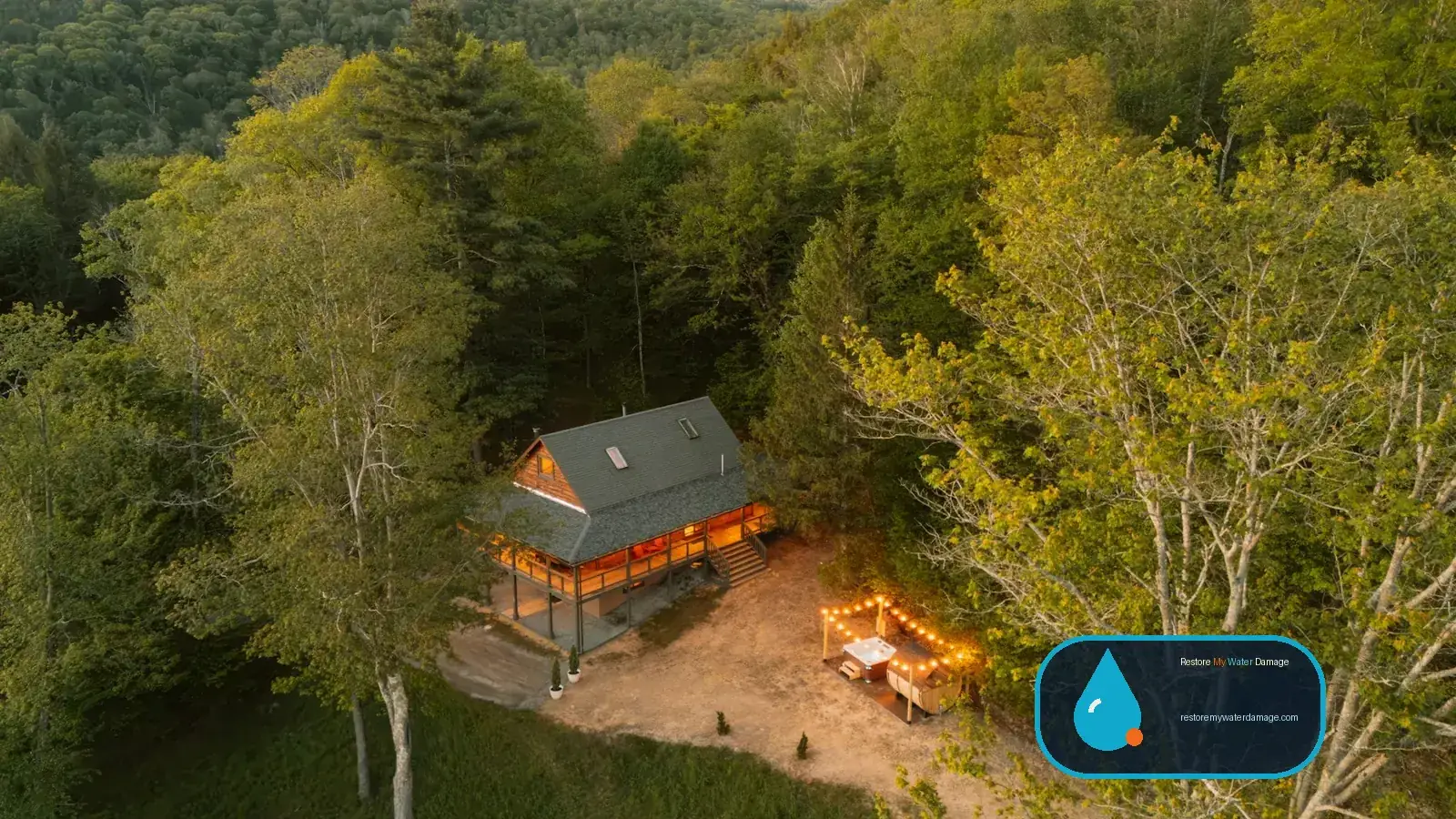
Sevier County's economy runs on visitors. That means thousands of cabins, chalets and vacation rentals spread across steep mountain roads, along with hotels, restaurants and attractions in Sevierville, Pigeon Forge and Gatlinburg. Water damage in these properties often looks different from damage in a typical suburban house. A cabin may sit empty between guests while a frozen pipe or failed toilet line leaks for days, and mountain storms can send fast-moving runoff down steep slopes.
Restore My Water Damage connects cabin owners, property managers, homeowners and hospitality businesses across the Smokies region with water damage restoration. Services include water extraction, drying of multi-level cabins, contaminated water cleanup, mold prevention and insurance documentation. If you manage a property with an active leak, shut off the water and call (833) 435-4276.
For rental owners, documentation and speed matter because bookings and guest safety are on the line. See emergency water damage restoration and mold and water damage.
Year-round residents in Sevierville, Kodak, Seymour and Wears Valley deal with their own set of issues, from crawlspace humidity to plumbing failures and storm runoff. The steps are the same: stop the source, stay safe and document the damage.
Water Damage Restoration Services in Sevierville
Water damage restoration in Sevierville / Smokies covers the full sequence from the first call to the final repair: stopping the damage, removing water, drying the structure to measurable dry standards, cleaning affected materials and rebuilding what cannot be saved. Every job is different, so the scope is set after an on-site inspection, not over the phone.
Emergency Water Damage Cleanup
The first hours matter most. Standing water spreads into drywall, subfloors and cabinets, and wet materials can support mold growth within roughly 24–48 hours. Emergency work focuses on safety checks, stopping further damage and getting extraction started. Learn more about emergency water damage restoration.
Water Extraction and Structural Drying
Extraction removes liquid water far faster than evaporation ever could. Drying then uses air movers and dehumidifiers placed according to moisture readings, with daily monitoring until materials reach their dry goals. See water extraction and structural drying.
Water Damage Repair and Restoration
Once the structure is dry, damaged drywall, baseboards, flooring, cabinets and paint are repaired or replaced. Some property owners use one company for both mitigation and rebuild; others hire a separate contractor. Read about water damage repair and restoration.
Fire and Water Damage Restoration
After a fire, water from sprinklers and hoses often causes as much damage as the flames. Drying and soot cleanup must be coordinated so moisture does not set smoke residue deeper into materials. See fire and water damage restoration.
Mold-Related Water Damage
When water has been present long enough for mold to grow, the job follows containment and removal practices described in the IICRC S520 standard. Ask whether mold remediation is available for your address when you call. More on mold and water damage.
Common Causes of Water Damage in Sevierville
Across Tennessee, the most common drivers of water damage are heavy spring rain, flash flooding, crawl-space and basement moisture and winter freezes. The local factors specific to Sevierville / Smokies are covered below.
Frozen Pipes in Mountain Cabins
Higher-elevation cabins in the Smokies foothills get colder than the valley floor, and winter cold snaps can bring hard freezes, snow and ice. Many cabins are built on steep lots with plumbing running through exposed crawlspaces, post-and-beam foundations, or uninsulated lower levels. If the heat is turned down between guests, the power goes out during a storm, or a propane supply runs low, pipes can freeze and burst. Leaks are often found only when the next guest or a housekeeper arrives. See burst pipe water damage cleanup.
Vacancy Leaks and High-Use Plumbing
Vacation rentals see heavy use from rotating guests, and plumbing wears out faster. Toilet supply lines, fill valves, washing machine hoses, ice makers and dishwasher connections are common failure points. When a leak starts right after checkout and the cabin sits empty, water can run for a long time, soaking multiple floors of a multi-level log or frame cabin. Smart leak sensors, automatic shutoff valves and remote temperature monitoring help catch problems early.
Hot Tubs, Game Rooms and Lower Levels
Many rental cabins feature hot tubs on decks, indoor pools, lower-level game rooms and several bathrooms. A leaking hot tub, a failed jetted tub connection, or an overflowing indoor pool can soak decking, siding and the rooms below. Water that gets behind log walls or into the gaps between logs can be hard to dry and may lead to rot if left untreated.
Mountain Flash Floods and Steep Runoff
Heavy rain in the mountains sends water rapidly down steep terrain into streams such as the Little Pigeon River and its forks. Low-lying roads, creekside properties and cabins at the base of slopes can flood quickly. Runoff can also wash soil and debris against foundations and into lower levels. Floodwater is contaminated and needs thorough cleanup. See flood damage restoration.
Humidity, Crawlspaces and Mold
Humid summers and frequent rain in the Smokies keep crawlspaces and lower levels damp. Vacant cabins with the AC off or set high can build up indoor humidity quickly, and mold can develop on wet or damp surfaces within days. Dehumidification and consistent climate control are important for both prevention and recovery.
Wells, Septic and Mountain Water Systems
Many cabins and rural homes outside the city limits of Sevierville, Pigeon Forge and Gatlinburg rely on private wells and septic systems. A failed well pressure tank or cracked well line can keep leaking as long as the pump runs. Septic systems on steep lots can back up when drain fields become saturated during wet periods or when a full cabin of guests uses much more water than the system normally handles. Sewage backups are Category 3 water and require removal of soaked porous materials and thorough sanitizing.
Roof, Deck and Log Wall Leaks
Heavy mountain rain, snow and ice put a lot of stress on cabin roofs, decks and log walls. Roof valleys, chimney and stovepipe flashing, and skylights are common leak points. Decks attached to cabin walls can funnel water toward the structure if flashing at the ledger board has failed. Log walls that haven't been sealed or chinked in several years can let wind-driven rain soak into the logs and interior. Regular exterior maintenance, including resealing logs and checking flashing, prevents many hidden leaks.
Burst or Frozen Pipes
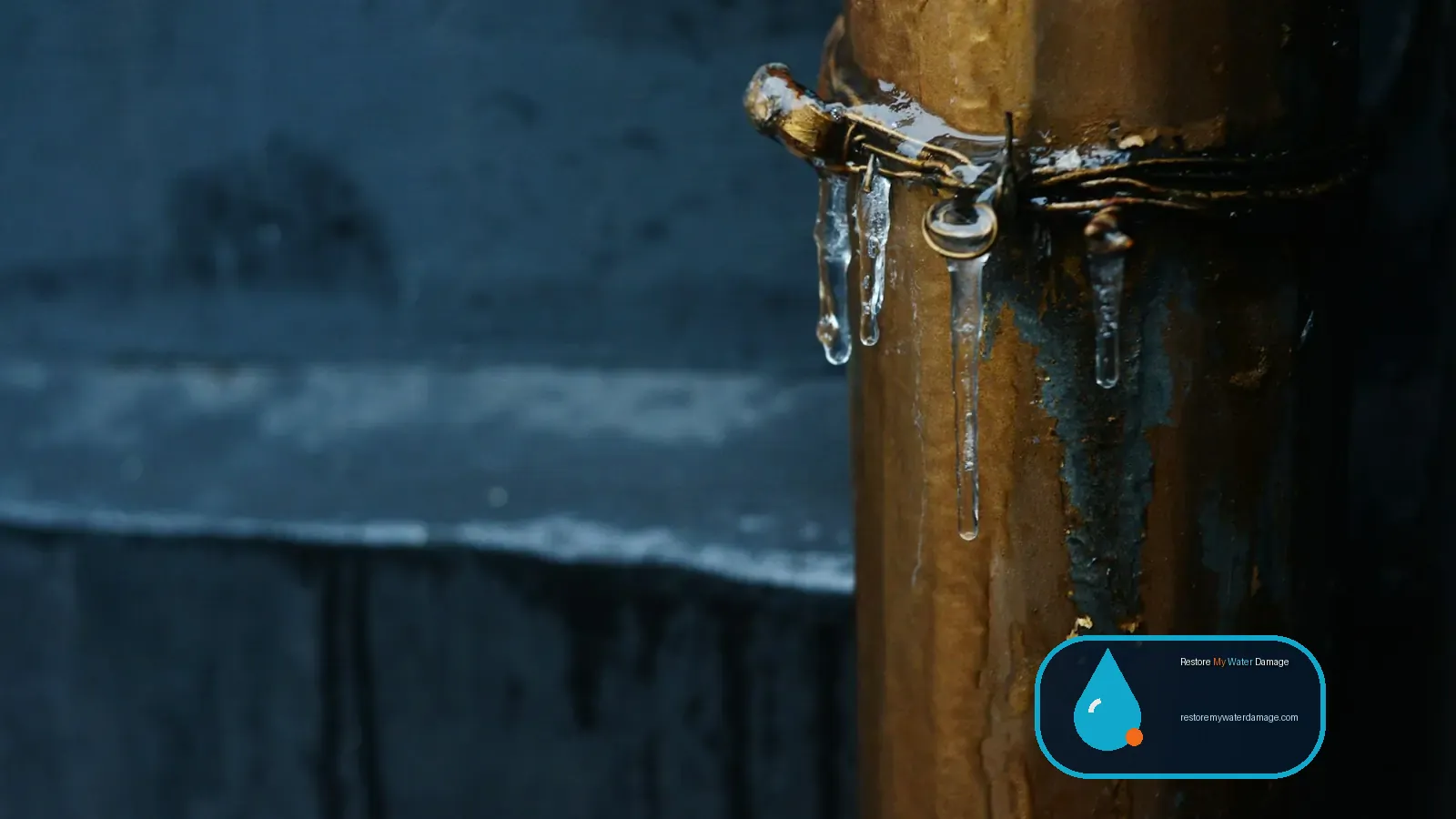
Cold snaps can freeze water in exterior walls, crawl spaces, garages and attics. Ice expands, the pipe splits, and the leak often appears only after thawing. Keep the main shutoff location known, insulate vulnerable runs and let a trickle run from exposed faucets during hard freezes.
Appliance and Plumbing Leaks
Water heaters, dishwashers, ice-maker lines, washing machines and toilet supply lines fail in every market. These are usually Category 1 (clean) water at first, but water that sits or contacts flooring and debris can degrade to Category 2 or 3.
Basement Seepage and Sump Pump Failure
Where basements are common, heavy rain raises groundwater pressure against foundation walls. A failed sump pump or power outage during a storm can put inches of water on the floor within hours.
Sewer or Drain Backups
Tree roots, grease, collapsed lines and heavy rain overwhelming municipal systems can push sewage back into a property. This is Category 3 water and requires protective equipment and removal of affected porous materials. See sewage backup cleanup.
Types of Water Damage We Handle
Restoration professionals classify water by contamination level using the IICRC S500 categories, because the category decides what can be dried in place and what must be removed.
| Category | Typical sources | What it means for restoration |
|---|---|---|
| Clean water (Category 1) | Broken supply lines, faucet overflows, fresh rain intrusion | Most materials can often be dried in place if work starts quickly |
| Gray water (Category 2) | Washing machine or dishwasher discharge, toilet overflow without feces | Carpet pad and some porous materials usually removed; cleaning and antimicrobial treatment |
| Black water (Category 3) | Sewage, rising floodwater, water standing long enough to grow bacteria | Porous materials generally removed; PPE and containment required |
For a deeper explanation, read water damage categories explained.
The Water Damage Restoration Process
A professional restoration job in Sevierville follows the same measurable sequence used nationally. The details of each step change with the size of the loss and the materials involved.
1. Emergency Assessment
The technician confirms the water source is stopped, checks electrical and structural hazards, identifies the water category and drying class, and photographs conditions before work begins.
2. Water Removal / Extraction
Truck-mounted or portable extractors remove standing water from floors, carpet and pad. Thorough extraction can shorten drying time by days.
3. Moisture Detection
Pin and pinless moisture meters, thermo-hygrometers and thermal cameras map where water has traveled, including inside walls and under flooring.
4. Drying and Dehumidification
Air movers increase evaporation while dehumidifiers pull that moisture out of the air. Readings are logged daily until materials reach dry standards.
5. Cleaning and Sanitizing
Affected surfaces are cleaned, and antimicrobial products are applied where the category warrants. Unsalvageable materials are removed and documented.
6. Repairs and Reconstruction
Drywall, insulation, trim, flooring and paint are restored. The full restoration process guide explains each step in detail.
How Long Does Water Damage Restoration Take?
Drying a typical water-damaged room commonly takes about three to five days once equipment is in place, though dense materials such as hardwood and plaster can take longer. Repairs add days to weeks depending on scope, material availability and insurance approvals.
Timelines depend on how quickly work begins, the amount of water, the materials that got wet, the water category, and indoor humidity. Drying should end when moisture readings say the materials are dry, not on a fixed calendar date. See how long water damage restoration takes.
How Much Does Water Damage Restoration Cost?
There is no single price for water damage restoration in Sevierville. Cost depends on the affected square footage, water category, materials, how long the water sat, equipment days, and whether repairs are included. A written estimate should follow an inspection.
- Size of the affected area and how many rooms or floors are involved
- Water category — sewage and floodwater require more removal and protective work
- Materials — hardwood, plaster and cabinetry take longer and cost more to dry or replace
- Drying time and the amount of equipment needed
- Repairs and rebuild, which are often priced separately from mitigation
Commonly reported national figures are explained in our water damage restoration cost guide.
Does Insurance Cover Water Damage Restoration?
Many homeowners policies cover sudden and accidental water damage, such as a burst pipe, but commonly exclude gradual leaks, poor maintenance and flooding from outside. Flood damage generally requires a separate flood policy. Always read your own policy and confirm with your insurer or adjuster.
Document the damage with photos and video before cleanup, keep receipts, and take reasonable steps to prevent further damage. Restore My Water Damage can provide moisture logs, photos and itemized scope documentation for your claim. Read water damage insurance claims for a step-by-step walkthrough.
Residential vs. Commercial Water Damage Restoration
Sevier County has an unusually high share of tourism-related property, which shapes how restoration projects are handled.
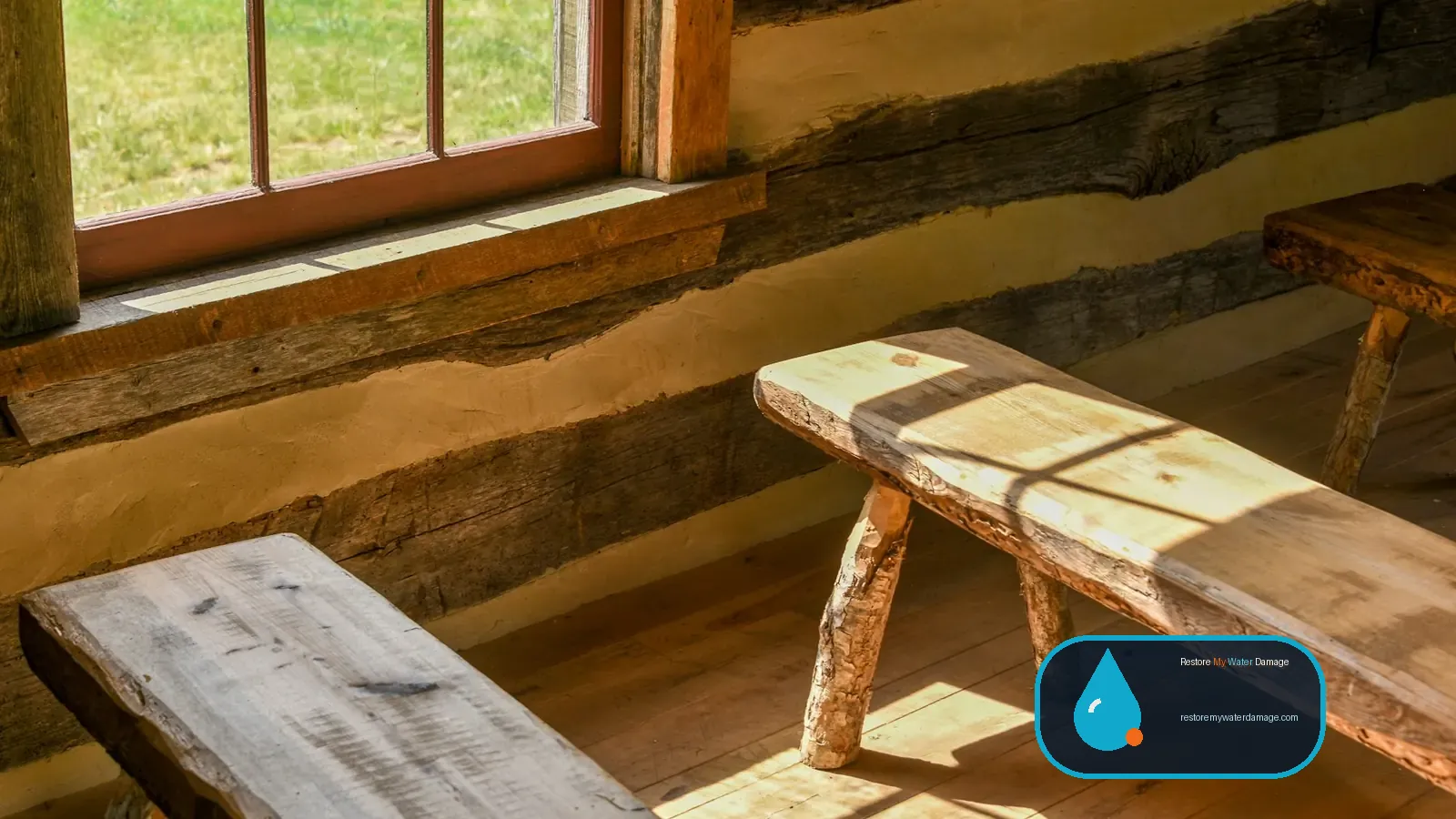
Cabins and chalets: Many are multi-level, built on steep slopes, and reached by narrow, winding mountain roads. Log construction, tongue-and-groove wood interiors, stone fireplaces and custom finishes all need careful drying. Access for equipment can be limited, and planning ahead helps.
Vacation rental operations: Owners and property management companies need restoration scheduled around bookings, clear photos for owners who may live out of state, and documentation that supports insurance claims and possible lost rental income claims. Reliable guest-ready standards also matter before reopening.
Hotels, motels and condos: Pigeon Forge and Gatlinburg have many hotels, condo resorts and timeshares where one leak can affect several rooms. Work often needs to happen in occupied buildings. See commercial water damage restoration.
Restaurants, retail and attractions: High-traffic businesses need fast, safe work with minimal disruption.
Year-round homes: Sevierville, Kodak, Seymour and surrounding valleys also have many permanent residents in suburban and rural homes, some on wells and septic systems.
Across all of these property types, restoration in the Smokies must balance careful drying of wood-heavy construction with the business need to get guests or residents back in as soon as the property is truly dry and safe.
Homes and commercial properties follow the same drying science, but commercial jobs add tenant coordination, business continuity planning and larger equipment deployments. See residential and commercial water damage restoration.
Why Choose a Professional Water Damage Restoration Company
Professional restoration is about measurement and documentation. Household fans and shop vacuums can move surface water, but they cannot confirm that wall cavities and subfloors are dry. Hidden moisture is what leads to mold, warped floors and repeat repairs.
- Ask whether technicians are trained to the IICRC S500 standard and request proof
- Expect written moisture readings and a drying log
- Get a written work authorization and scope before large removals
- Confirm insurance coverage and applicable state or local contractor licensing
Use our guide to choosing a restoration company to compare providers.
Areas and ZIP Codes We Serve
Sevier County in East Tennessee includes Sevierville, Pigeon Forge and Gatlinburg, plus communities such as Kodak, Seymour, Pittman Center and Wears Valley, bordering the Great Smoky Mountains. This page covers 8 ZIP codes across 7 communities, including Dandridge, Kodak, New Market, Pigeon Forge, Sevierville, Seymour, Strawberry Plains.
37725Dandridge37764Kodak37820New Market37862Sevierville37863Pigeon Forge37865Seymour37871Strawberry Plains37876Sevierville
Nearby Tennessee markets: KNKnoxville, MBMaryville / Blount County. See all  Tennessee service areas.
What to Do Before Help Arrives
- Keep heat set to at least the mid-50s in vacant cabins during winter, and check propane levels before cold weather.
- Install leak sensors, automatic water shutoff valves and remote temperature alerts in rental properties.
- Train housekeepers and managers to know where the main shutoff and water heater are in every cabin.
- If pipes burst in a cabin, shut off the main valve and turn off power to wet areas before entering.
- Take detailed photos of all rooms and damaged areas, which helps owners who are out of town and insurance claims.
- Stay off steep roads and away from streams during flash flood warnings.
- Run dehumidifiers or keep AC on in vacant cabins during humid months.
- Check hot tub and pool plumbing and deck areas for leaks during turnovers.
- Contact guests with upcoming reservations if the property may not be ready.
More detail: what to do after a water leak.
Frequently Asked Questions
How can I prevent frozen pipes in my rental cabin?
Keep the thermostat set to a safe temperature even when the cabin is empty, keep propane tanks filled, insulate exposed pipes in crawlspaces and lower levels, and install remote temperature monitoring. Automatic shutoff valves and leak sensors can limit damage if a pipe does burst while no one is there.
Can a log cabin be dried after water damage?
Often, yes. Logs and wood interiors need careful, controlled drying with dehumidifiers and air movement, plus moisture readings in the wood itself. Water that gets between logs, behind tongue-and-groove paneling, or into insulated floors may require removing some materials. Drying too fast can crack or check wood.
I own a cabin but live out of state. How does restoration work?
Your property manager or a trusted local contact can provide access, and restoration progress can be documented with photos, moisture readings and reports shared with you. Notify your insurance company right away. Keep booking records if you plan to claim lost rental income.
Does insurance cover lost rental income after water damage?
Some short-term rental and landlord policies include loss of rental income coverage, but standard homeowners policies often do not. Review your policy and speak with your agent. Keep records of cancelled bookings and payouts to support a claim.
Is mold a big risk in Smokies cabins?
Yes. High humidity, frequent rain and vacant periods with climate control turned down create good conditions for mold. After any leak, drying should start promptly, and humidity should be controlled in vacant cabins year-round.
Can equipment get to cabins on steep mountain roads?
Most properties can be reached, but narrow roads, steep driveways and winter weather may affect access and timing. Share details about the road, parking and any access codes when you call (833) 435-4276 so the visit can be planned.
How much does water damage restoration cost in Sevierville, TN?
In Sevierville and the Smokies, water damage restoration costs generally fall within national ranges of about $1,300 to $6,000 for a typical property. Cabins with log walls, crawl spaces, hard-to-reach locations or leaks that ran undetected while the home was empty can cost more. Independent providers set pricing, so request an itemized written estimate. Call (833) 435-4276 24/7 and we'll connect you with local help.
How can I detect water leaks in a rental cabin when no one is staying there?
Smart water leak sensors near water heaters, washers, sinks and toilets can alert your phone, and automatic shutoff valves can stop flow when a leak is detected. Remote thermostats help spot heating failures that lead to frozen pipes. Ask cleaners or property managers to check under sinks and in crawl spaces between guest stays.
What should I do if guests report a water leak in my Smokies cabin?
Ask guests to shut off the main water valve if they can safely find it, and move away from any sagging ceilings or wet electrical areas. Get photos from them, notify your property manager and insurer, and arrange drying right away. You may need to relocate guests or cancel bookings while the cabin dries. Call (833) 435-4276 24/7 and we'll connect you with local help.
How long does it take to dry out a cabin after water damage?
Most drying takes about three to five days, but log walls, tongue-and-groove paneling, hardwood and crawl spaces in humid mountain weather can take longer. Repairs add time. For a short-term rental, that can mean one to several weeks offline for a larger loss. Ask for daily moisture readings so you know when the cabin is ready. Call (833) 435-4276 24/7 and we'll connect you with local help.
Does insurance cover water damage in a short-term rental cabin?
A standard homeowners policy may limit or exclude coverage when a property is rented to guests. Short-term rental or dwelling policies are designed for cabins rented on a regular basis and may include loss of rental income. Review your coverage for sudden water damage, vacancy periods and freeze exclusions before winter.
Can mold grow in a Smokies cabin crawl space after a leak?
Yes. Mountain humidity, shade and poor ventilation make crawl spaces under Smokies cabins prone to mold, and a plumbing leak or pooled rainwater speeds it up. Mold can begin within 24 to 48 hours on wet wood and insulation. Drying with dehumidifiers, removing wet insulation and improving drainage or adding a vapor barrier help reduce risk. Call (833) 435-4276 24/7 and we'll connect you with local help.
Request Water Damage Restoration Help in Sevierville
Call (833) 435-4276 or send a request with your ZIP code and a short description of the damage. We will explain the next steps and we will connect you with help for your address.